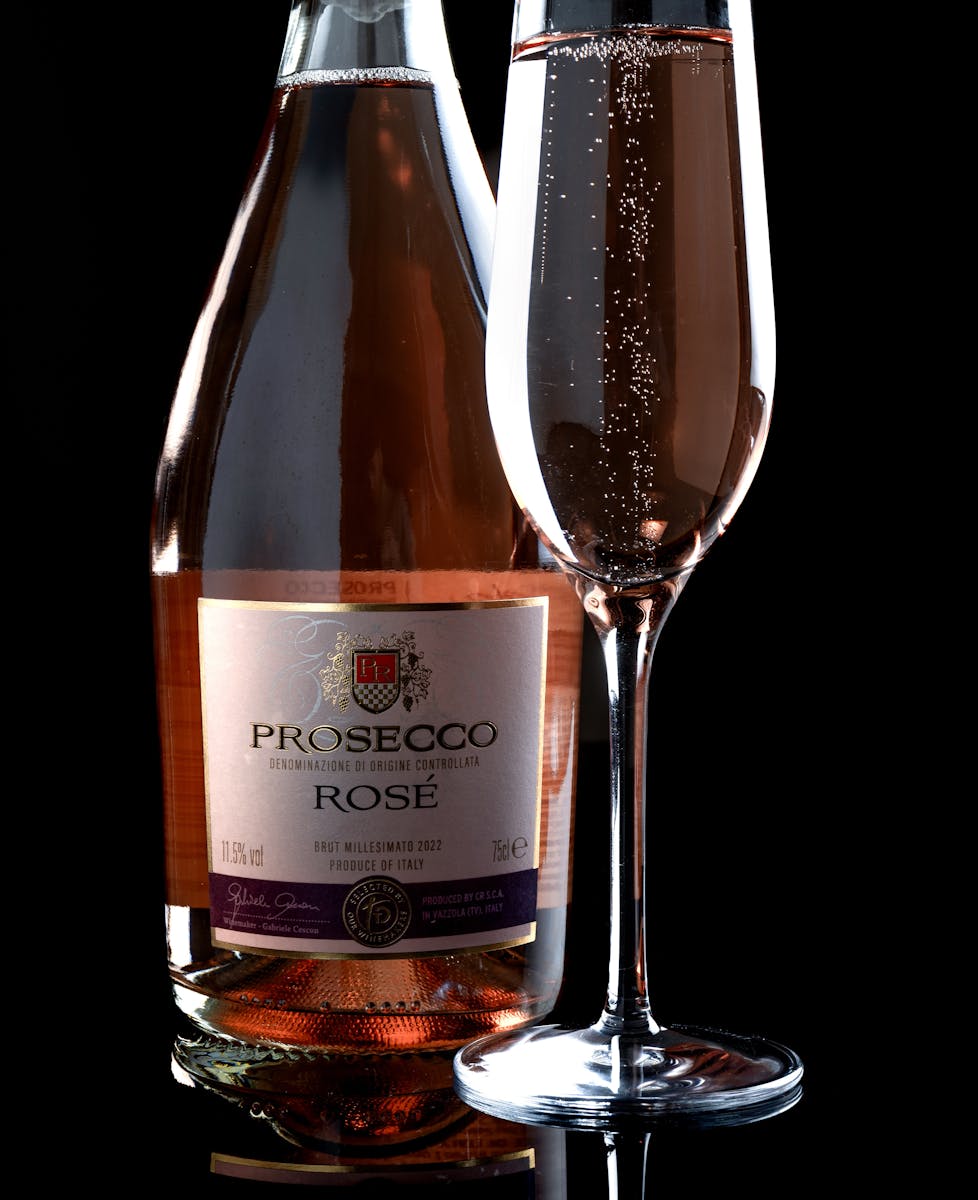
In the world of Prosecco — where freshness, lightness, and joyful drinkability are the stars — one word quietly signals something extra: Millesimato. You’ve likely seen it on bottles, shimmering in gold or silver lettering, but what does it actually tell you?
What “Millesimato” Really Means
Simply put, Millesimato means that at least 85% of the Glera grapes used in the wine come from a single harvest year. It’s Prosecco’s way of saying: this bottle reflects one specific vintage, one specific season, one unrepeatable story of weather, ripeness, and vineyard character.
While most Prosecco is crafted as a consistent, year-after-year expression of the style, Millesimato invites you to taste time — to discover what nature offered in that particular year.
Why Millesimato Matters
Prosecco doesn’t rely on vintage identity the way Champagne or still wines often do. Its appeal lies in its brightness and easy pleasure. But in recent years, producers have embraced vintage-focused Prosecco for a simple reason: some years are truly special.
A warmer year may give richer fruit notes — ripe pear, golden apple, even delicate white peach.
A cooler season may bring sharper acidity, lifted citrus, and fresh herbal tones.
A balanced year? Pure harmony.
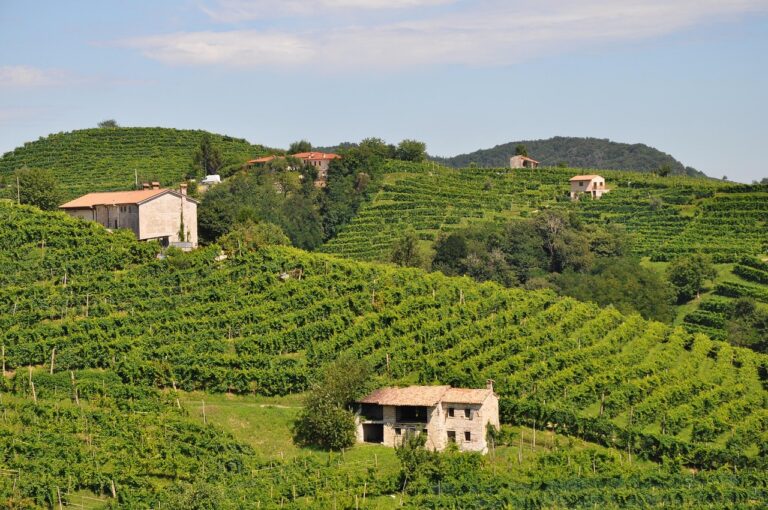
Millesimato bottlings allow you to feel these nuances. They’re often crafted with extra precision, using grapes selected from the best plots of the producer’s holdings. For DOCG producers in Conegliano–Valdobbiadene, the vintage can highlight the unique microclimates of steep hillsides and south-facing slopes.
In short: Millesimato is Prosecco with a sense of place and time.
Styles & Sweetness: Brut, Extra Dry, Dry
Millesimato Prosecco can appear in any of the familiar sweetness levels:
- Brut — crisp, clean, mineral, often the most revealing of vintage character
- Extra Dry — classic Prosecco profile, gently fruity with a soft sweetness
- Dry — rarer, typically floral and lush, perfect with pastries or creamy cheeses
Interestingly, many premium Millesimato bottlings tend toward Brut or Extra Brut to highlight the vintage’s purity.
How to Enjoy a Millesimato
Because Millesimato expresses the character of a specific harvest, treat it a little more thoughtfully than your everyday bottle:
- Serve slightly cooler than room-temperature whites — around 6–8°C.
- Use a tulip-shaped glass to capture aromas.
- Taste slowly — note how fruit, acidity, and minerality reflect the vintage.
- Pair intentionally — fresh seafood, sushi, prosciutto, delicate cheeses, crunchy vegetables, herbal dishes.
A Millesimato is perfect for a dinner party, a quiet evening, or any occasion when you want bubbles with a touch more depth.
Millesimato vs. Rive & Cartizze
You’ll often see Millesimato alongside terms like Rive or Superiore di Cartizze. They’re related but not identical:
- Rive Prosecco must always be Millesimato — indicating a specific hillside village + vintage.
- Cartizze producers often choose to declare a vintage, but it’s not mandatory.
Think of Millesimato as the foundation of vintage expression. Rive and Cartizze add layers of geographic prestige.
Why It’s Worth Seeking Out
If you love Prosecco, Millesimato is a natural next step. It’s still friendly, bright, and joyful — but with added nuance. A sip that tells you what the sun, rain, and wind were doing that year. A vintage bottled.