There’s a tiny moment of panic when you stand in front of a wine shelf and see “DOC,” “DOCG,” “Rive,” and “Cartizze.” That panic is optional. Here’s a short, human cheat-sheet to read labels like a confident guest — not a lecturer.
The five words to memorize
1. Glera — the grape behind Prosecco. Since 2009 the grape’s official name is Glera (not Prosecco); most bottles will list Glera as the primary variety. Knowing this avoids confusion when producers list blends.
2. DOC vs DOCG — think of DOC as “the large family” and DOCG (Denominazione di Origine Controllata e Garantita) as a “hand-picked subgroup” with stricter rules. Conegliano-Valdobbiadene DOCG and Asolo DOCG represent the higher-control, often higher-quality subset.
3. Spumante / Frizzante / Tranquillo — Spumante = fully sparkling; Frizzante = lightly frizzante; Tranquillo = still wine (rare for Glera). If you prefer lively fizz, choose Spumante.
4. Brut / Extra Dry / Dry / Demi-sec — these terms tell you residual sugar. For Prosecco, the commonly used bands are: Extra Brut (0–6 g/L), Brut (0–12 g/L), Extra Dry (12–17 g/L), Dry (17–32 g/L), Demi-sec (32–50 g/L). Note: Extra Dry is often fruitier than Brut — the names can be confusing at first. These ranges are used in official DOC resources.
5. Rive & Cartizze — Rive denotes a single-vineyard or single-commune origin within the DOCG and signals distinctive terroir; Cartizze refers to the tiny, highly prized Cartizze hill — a sort of Grand Cru of Prosecco known for concentrated elegance. These terms are quality flags to watch for.
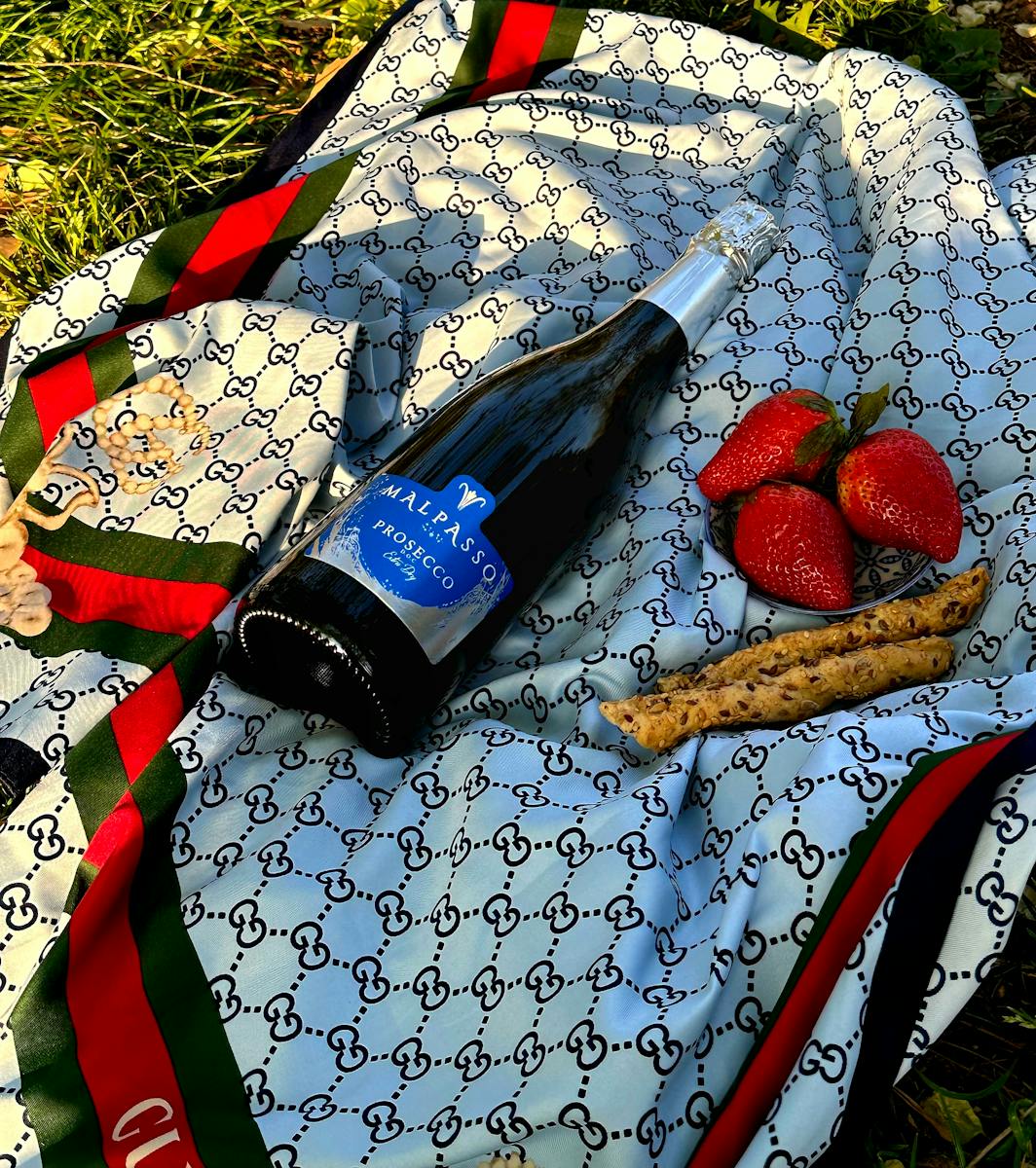
Quick label checklist (what to scan for in 10 seconds)
- Where is it from? (DOC vs DOCG).
- Style? (Spumante/Frizzante).
- Sweetness? (Brut, Extra Dry, etc.).
- Special terms? (Col Fondo, Rive, Cartizze).
Examples that help (real-world scenarios)
- An everyday bottle for a party: Prosecco DOC Spumante Extra Dry — bright fruit, easy, crowd-pleasing.
- A single-vineyard treat: Valdobbiadene Prosecco Superiore Rive — look for vineyard or Rive on the label; expect more structure and minerality.
- Something rustic and different: Col Fondo (sur lie) — cloudy, yeasty, intriguing — a great conversation starter.
Language tip: Italian taste words that come up
• Fresco — fresh; • Floreale — floral; • Minerale — mineral; • Persistente — persistent finish. Learning a handful of these goes a long way when reading professional tasting notes.
Read next: “Three Sparkles Walk Into a Bar: Prosecco vs Champagne vs Cava” — for when you want to defend your choice at parties.