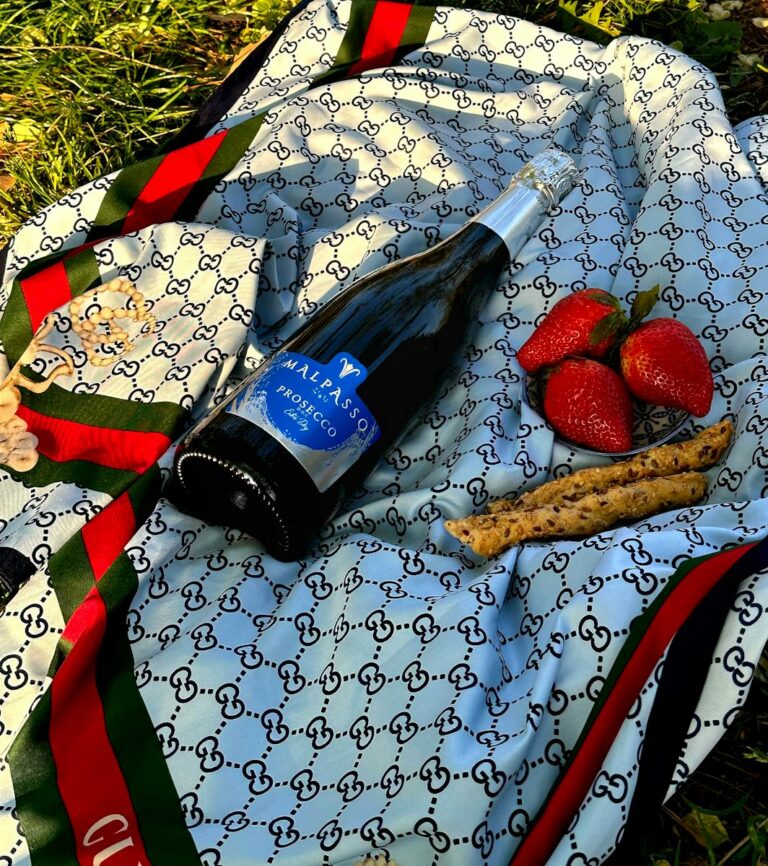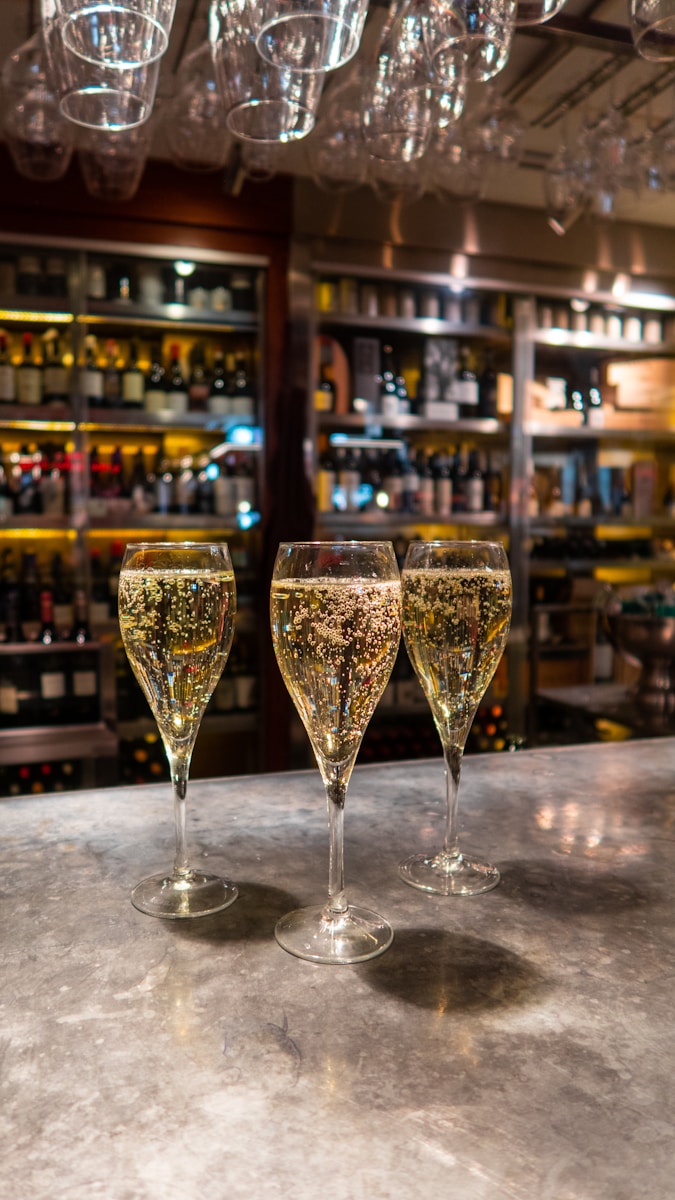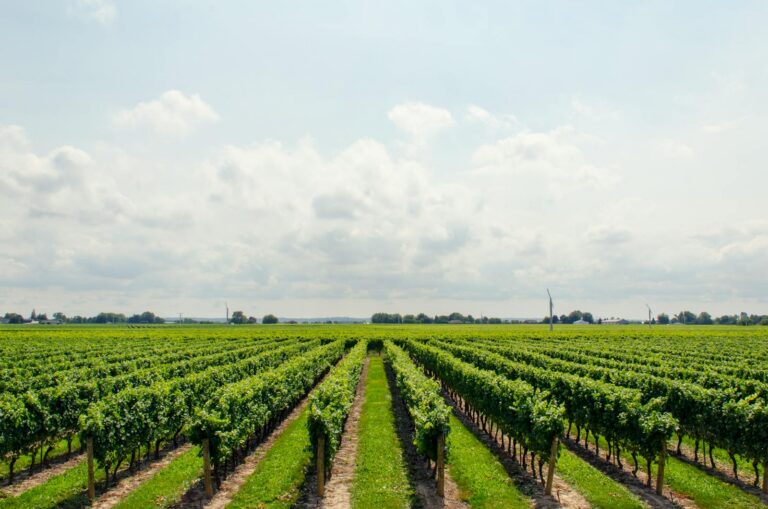
There’s a sound people hear before they taste a Prosecco — a soft, inviting pop, like someone stepping into sunlight. In that sound is an invitation: to slow down, share, and smile. But beneath the easy cheer of the flute there’s a layered story of place, grape, and technique — one that starts on the hills of northeastern Italy and finishes in your glass.
A short portrait: bright, friendly, & a little Italian
Prosecco is the name most of the world uses for the pale, aromatic sparkling wine produced primarily in the Veneto region of Italy and nearby Friuli-Venezia Giulia. Its personality is crisp fruit (pear, green apple, white peach), floral notes (acacia, wisteria) and a sprightly, frothy mousse. For many, it’s the “everyday” celebration — the aperitivo fizz, the brunch staple, the mixer in a spritz. But that simplicity hides a spectrum: from inexpensive, bright DOC bottles to hill-grown DOCG Superiore wines that offer real tension and finesse.

The grape behind the name
The wine is mostly made from Glera, a local grape that historically carried the name “Prosecco.” To protect the name as a protected designation, the grape was officially registered as Glera and the regional denomination is Prosecco DOC — a distinction that helps guard the term and the terroir. Glera must make up the large majority of most Prosecco cuvées, though winemakers may blend small percentages of local varieties (Verdiso, Bianchetta Trevigiana, Perera) or permitted internationals (Pinot Grigio, Chardonnay) for balance.
Where it comes from — two basic geographies
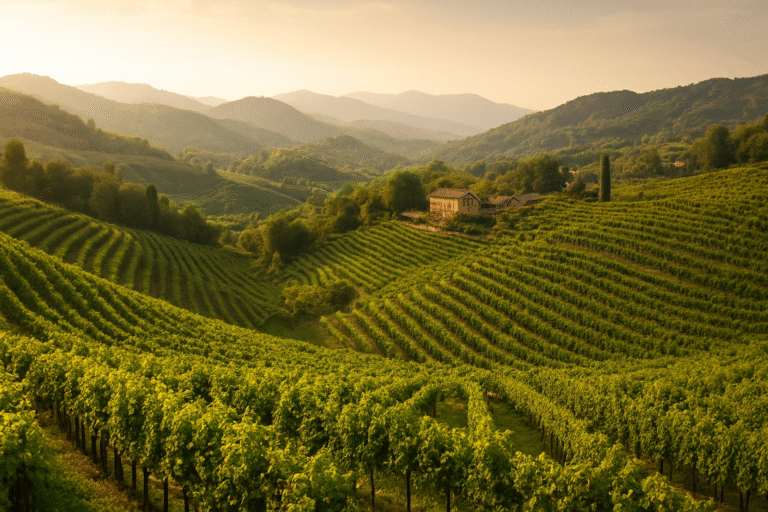
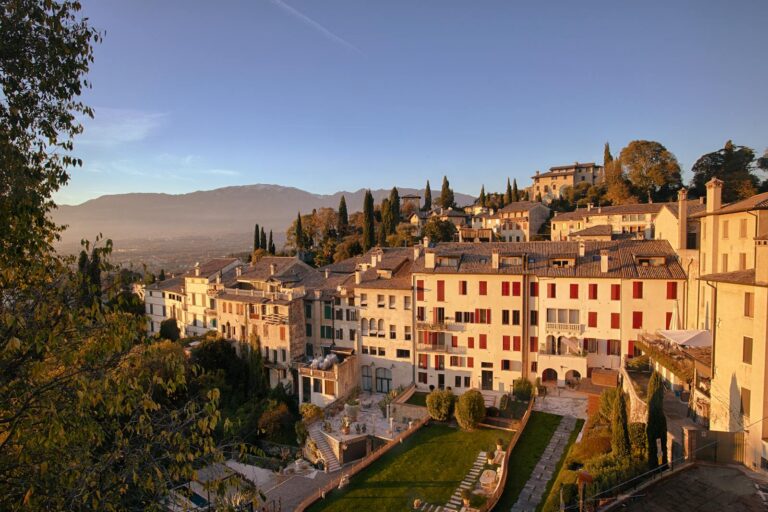
You’ll often see two labels in conversations about Prosecco: the wide Prosecco DOC (a large production zone stretching across parts of Veneto and Friuli) and the smaller, higher-status Conegliano-Valdobbiadene DOCG (and nearby Asolo DOCG). The DOC covers most of the bottles in the market — approachable, consistent, and often machine-harvested — while DOCG Superiore (especially wines labeled by Rive or from Cartizze) highlights steep slopes, hand-harvest, and more pronounced minerality and finesse. The Conegliano-Valdobbiadene hills are so visually and culturally distinct they were inscribed as a UNESCO World Heritage landscape in 2019.
How those fine bubbles are made
The signature sparkle of Prosecco is usually produced by the Charmat (or Martinotti) method: after the first fermentation the base wine undergoes secondary fermentation inside large pressurized tanks, where yeast and sugar create CO₂ that is then trapped and bottled. That process preserves fresh fruit aromas and keeps production efficient, which explains why good, drinkable Prosecco is available across a wide price range. Some producers, especially with Col Fondo or more experimental wines, still use bottle fermentation or leave lees in the bottle for a rustic character.
The many faces of Prosecco
Prosecco isn’t one thing — it’s a family. There’s frizzante (lightly fizzy), spumante (fully sparkling), brut nature to demi-sec sweetness ranges, and the rare, cloudy Col Fondo type that keeps lees in the bottle for texture and complexity. And within Conegliano-Valdobbiadene, labels like Rive or Cartizze signal the highest tiers: vineyards where aspect and slope play a dramatic role in concentration and nuance.
Why this matters — beyond POP and party
Prosecco’s global success is not accidental. Tank fermentation makes it scalable and affordable; its flavor profile is widely appealing; and its cultural story — of Italian aperitivo, conviviality, and sunlit terraces — is powerful and exportable. But for the curious drinker, the deeper story is enormously satisfying: the same grape and method can produce a casual picnic bottle or an intensely mineral single-vineyard expression. Knowing the difference turns a casual sip into a richer discovery.
Quick facts
• Grape: Glera (majority of the blend).
• Production methods: Charmat (tank) mostly; some Col Fondo and bottle-fermented exceptions.
• Regions: Prosecco DOC (broad); Conegliano-Valdobbiadene DOCG & Asolo DOCG (premium).
Read next: “The Spirit of Prosecco: Why It Captures the World’s Heart” — a look at why the wine became an emotional and cultural phenomenon.