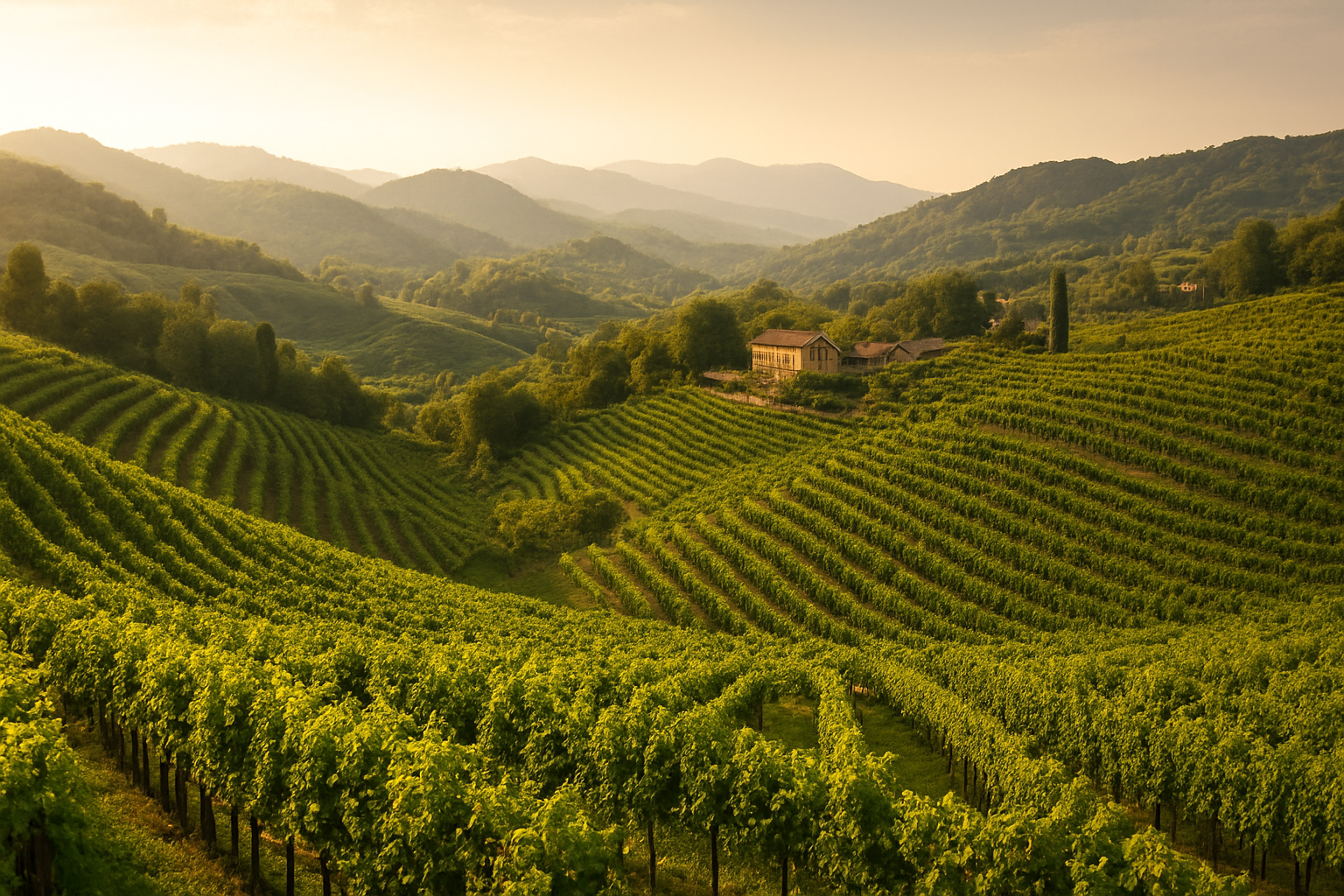
There’s a magic in the steep hills that line the Prosecco region, a kind of weathered poetry written in limestone, clay, and the gentle rise and fall of grapevine rows. No place captures this better than Conegliano–Valdobbiadene, the beating heart of DOCG Prosecco excellence.
A landscape shaped by hands — and history
The story of Prosecco in these hills is ancient. According to historical records preserved by the local consortium, vine-growing in Valdobbiadene dates back centuries: a Roman centurion’s tombstone refers to vendemmiales — the grape harvest — and medieval frescoes in local churches depict vineyard labor as an integral part of life. More recently, the Sustainability Report from the Conegliano Valdobbiadene DOCG confirms that these hill communes remain deeply rooted in tradition even as they push innovation today.
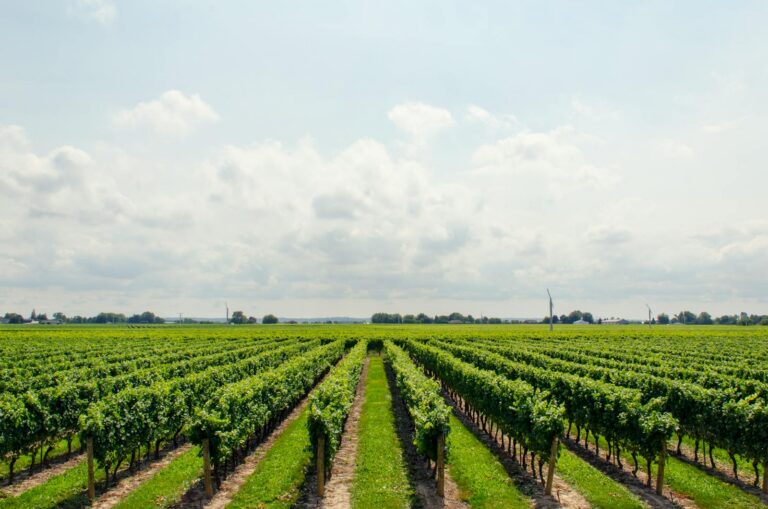
The terrain is rugged and challenging: high slopes, sharp ridges, and terraces that demand meticulous cultivation. Many of these vineyards are hand-tended, often on inclines too steep for machinery — a choice that brings risk but rewards in flavor.
Soil, sun, and microclimate — the secret geography
What gives these hills their personality is the interplay of soil types, sun exposure, and climate. The soil varies greatly: calcareous marl, sandstone, clay — each ridge, or rive, has its own fingerprint. Producers increasingly emphasize these rive (slope) wines, recognizing that different slopes produce very different Glera grapes. Food & Wine recently documented how winemakers in the DOCG are turning to terroir as a differentiator, moving beyond purely technical winemaking.
Because the hills are close to the Dolomites, they feel the influence of cool mountain air. But Venetian plains and gentle breezes moderate the climate, giving grapes a long growing season, good acidity, and a fine balance between ripeness and freshness.
People and tradition
Many of the producers in these hills are small family estates, often passed down through generations. Their work is labor-intensive: hand pruning, manual harvesting, low yields on steep slopes. This care pays off in wines that speak clearly of place. As the Consortium’s sustainability report notes, there is a deep commitment to preserving not just the land, but the cultural landscape that has produced Prosecco for so long.
Tasting terroir in a glass
When you taste a Conegliano–Valdobbiadene Superiore, you’re often struck by its crystalline structure and lively minerality, with citrus blossom, white peach, and sometimes an herbaceous or saline note that hints at its origins. Wines from the steeper rive tend to be more intense, with long finishes and greater complexity.
Plus, you can sense the difference between communes: aspects, elevation, and soil composition all contribute to subtle shifts in aroma and texture. For an enthusiast, exploring these wines is like reading a topographic map through tasting.
Why this place feels special
Conegliano–Valdobbiadene is more than geography — it’s heritage. It’s where winemaking, history, and landscape converge, and where Prosecco’s noblest expressions are born. UNESCO recognized this when the hills were declared a cultural landscape. Those terraces, many built by hand over centuries, are not just for beauty; they shape the character of every flute poured.
Read next: “The Charm of Asolo DOCG” — a terroir that may not be as steep, but is brimming with elegance and a soulful sense of place.