There’s a few wines that carry not only flavor but an attitude. Prosecco is one of them: it doesn’t insist on ceremony, but it suggests a way of living — a little lighter, a little warmer, a little more social. If Champagne often says “occasion,” Prosecco says “gather.” That emotional shorthand helps explain how a modest regional wine became one of the world’s most popular sparklings.
From hillside traditions to global aperitifs
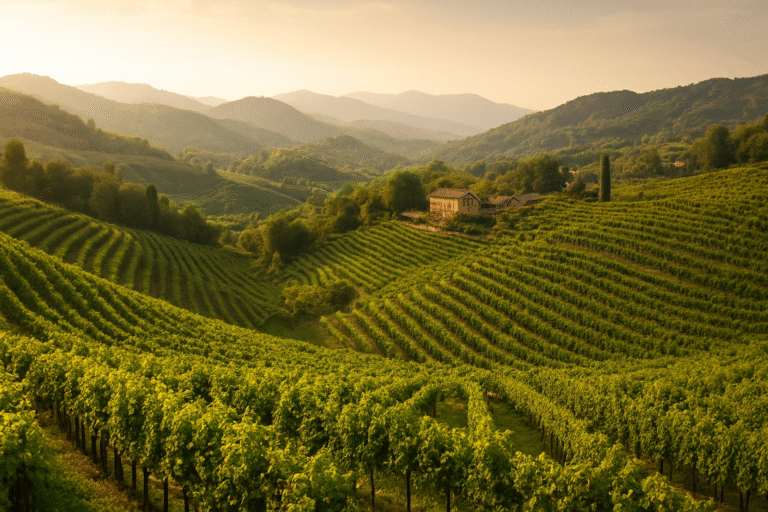
The story starts in Veneto’s vineyards, where centuries of vine-training and smallholder viticulture shaped Glera’s style. But the modern spread of Prosecco is a 20th- and 21st-century phenomenon: innovation in tank fermentation, careful branding by the Consorzio, and a global appetite for approachable, affordable sparklers created a perfect storm. Prosecco’s image — sunsets on a terrazza, an easy Spritz in hand — sells as much as its flavor.

The democratic fizz
Part of Prosecco’s power is accessibility. Because Charmat production is efficient, producers can offer good quality at modest prices. That affordability removes barriers to sampling and sharing. People don’t have to “save” Prosecco for a rare event — it becomes the drink of everyday celebration. That reputation makes it highly shareable on social platforms and easy to build stories around.
Two layers: casual and craft
But here’s the nuance often missed by casual drinkers: within Prosecco is a craft movement. In places like Conegliano-Valdobbiadene, winemakers practice steep-slope viticulture, hand-harvest, and careful cellar work to craft wines with tension and terroir. That produces a twofold market: widely distributed DOC Proseccos for broad consumption, and DOCG / Rive / Cartizze wines that demand contemplation. The coexistence of these layers — convivial and connoisseurial — makes Prosecco uniquely scalable without losing identity.
The “taste ladder” — how casual drinkers become curious
A common path is simple: someone enjoys a supermarket bottle at brunch, then tastes a Rive or Cartizze at a tasting and is startled by the difference. That curiosity fuels deeper engagement: reading about terroir, visiting vineyards, or following producer interviews. This educational ladder is exactly what a living-book blog can leverage: start light and invite readers into a richer conversation.
Prosecco as identity — tourism, festivals, and UNESCO
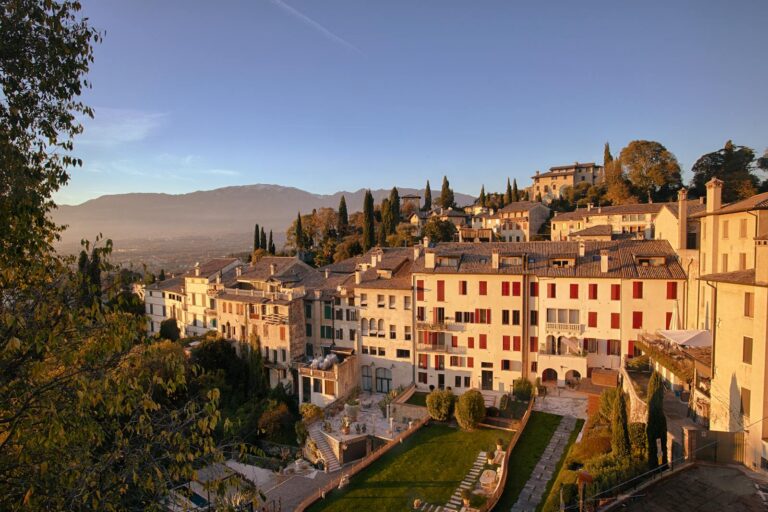
The area’s inclusion on the UNESCO World Heritage list in 2019 amplified its cultural cachet. The hills, their terraced vineyards, and small agrarian communities became recognized as a living landscape shaped by human care. That recognition helps tourism, generates storytelling, and supports premium positioning for DOCG wines. Visitors can now taste the wine and the place at once — a powerful brand differentiator.
People make the story
Interviews with growers and winemakers (featured in profiles from industry writers and wine journalists) consistently highlight stewardship: hand harvest on steep slopes, experiments with native yeasts, and a movement toward sustainability and organic practice. These human choices — labor, artistry, patience — are what turn Prosecco from commodity to character. For a reader, those personal stories are compelling entry points: they make the wine feel crafted, not manufactured.
Why social media loves Prosecco
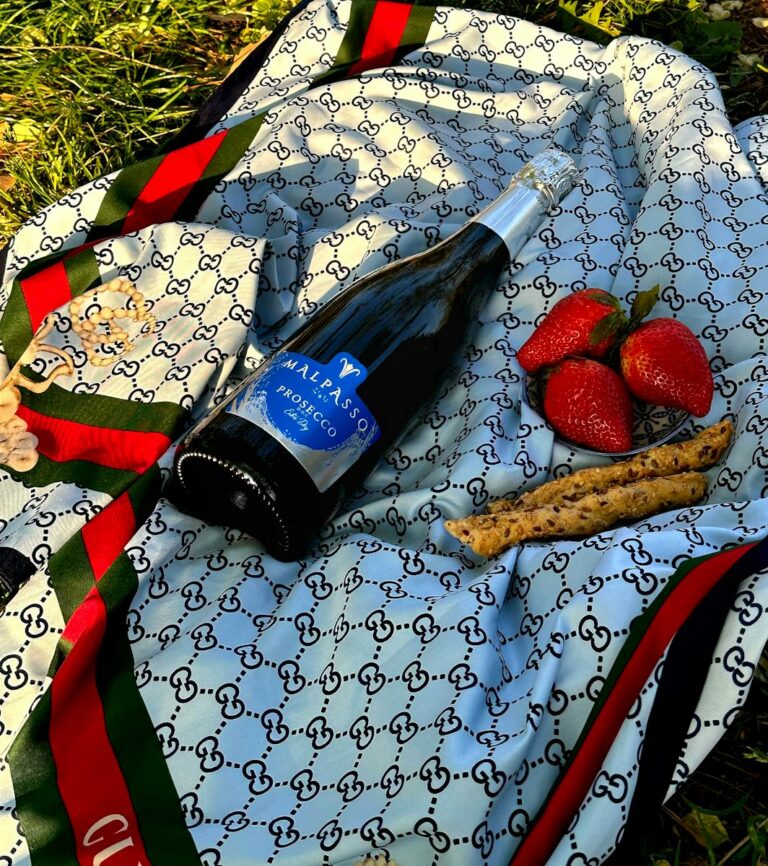
• Photogenic: pale straw color, persistent bubbles, iconic spritz hues.
• Aspirational: evokes Italy without the travel.
• Versatile: cocktails, toasts, and easy food pairings.
These features make it a natural content star.
Read next: “How to Speak ‘Prosecco’ (Basic Terms Explained)” — the quick, practical guide to labels and terms that helps you navigate any shelf.