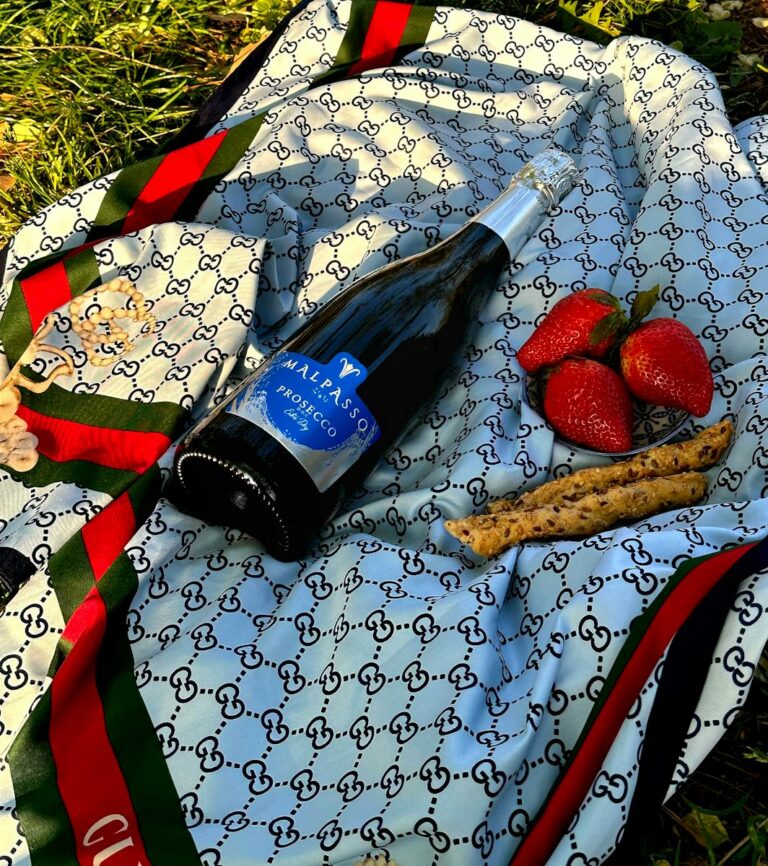
There’s a tiny ritual that happens when someone pours a flute of Prosecco: a soft pop, the first ring of bubbles, and that micro-pause where everyone leans in. Tasting Prosecco is not about putting on airs — it’s about noticing, savoring, and having a few words at hand to share how the wine speaks. Here’s a friendly 5-step tasting method that will get you from casual sipper to conversational expert without sounding pompous.
Step 1 — Look: the first impression
Hold the glass against a white background or a light surface. Prosecco ranges from pale straw to soft golden hues. Clarity tells you about filtration and style — a bright, clear wine usually signals a modern, filtered spumante; a slightly hazy wine might be a Col Fondo or minimally handled bottling. Notice bubble behavior: a lively froth at the top and bright streams of bubbles mean youthful, fruity character; very fine, persistent bead suggests more time on lees or a refined tank regimen.
Practical note: Prosecco typically shows a frothy mousse rather than the pin-point bead you see in some traditional-method sparklings.

Step 2 — Swirl (gently) & Smell: aromatics first
Unlike a heavy red, Prosecco doesn’t need vigorous swirling. Give a gentle tilt and bring the glass to your nose. Prosecco’s aromatic palette often includes white blossom (acacia, wisteria), pear, green apple, white peach, citrus zest, and sometimes delicate almond or herb notes. Take two short sniffs, then one long inhale. See if you pick primary fruit, floral, or any savory/yeasty notes (those often hint at lees contact or Col Fondo styles). This is where the Charmat method shows its fingerprint: primary fruit and floral aromatics are usually front and center.
Step 3 — Sip: the initial feel
Take a measured sip, let it move across the tongue. Notice sweetness (Brut vs Extra Dry etc.), acidity (does it lift the palate?), bubble texture (frothy vs fine), and body (light to medium). For many Proseccos you’ll find a lively mid-palate fruitiness and a finish that’s brisk rather than long and oxidative. If tasting a Col Fondo or an aged DOCG, expect more texture, perhaps a touch of autolytic (bread, biscuit) character and a longer finish.
Step 4 — Think about balance & complexity
A well-made Prosecco balances fruit, acidity and effervescence. Complexity may come from single-vineyard expression (Rive), lees contact, or precise cellar technique. Ask yourself: does the wine feel fresh and energetic? Are aromatics expressive? Does the finish invite another sip? If yes — congratulations, you’ve just recognized a well-made Prosecco.
Step 5 — Describe and pair mentally
Use simple descriptors: “pear, white blossom, touch of almond, refreshing acidity.” Offer a pairing idea: “Great with oysters or a light burrata.” Keep it short — people prefer authenticity to a laundry list of adjectives. If you’re tasting at home, jot these notes in a tasting sheet.
Quick tasting cheat sheet (to print or keep on your phone):
• Look: color & bubble character.
• Smell: fruit vs floral vs lees hints.
• Taste: sweetness, acidity, texture.
• Finish: short/fresh vs long/complex.
• Pairing idea: light seafood or salty snacks for Brut/Extra Dry; richer bites for sweeter styles.
Read next: “Glassware, Serving & Temperature” — what glass to choose and how cold is “cold enough.”