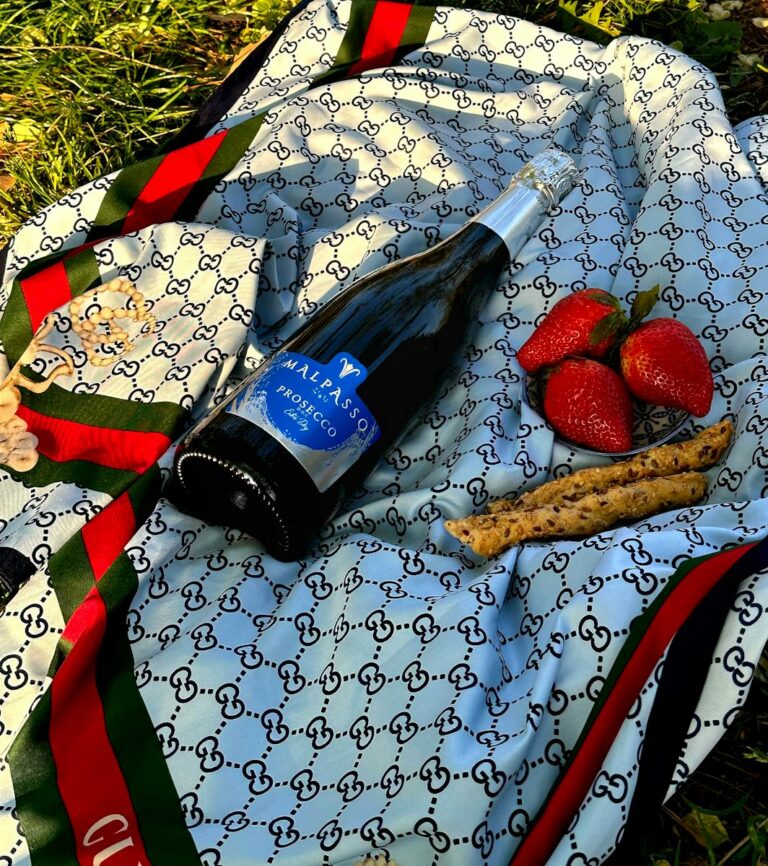
A little cold, the right glass shape, and a respectful pour will make a Prosecco sing. Nothing here is ritualistic — just a few practical tips that unlock more aromatics and a better mouthfeel.
Serving temperature — the golden rule
Prosecco is best served cold but not frozen. The Consorzio and many Prosecco authorities recommend a serving temperature around 6–8 °C (43–46 °F). Too cold and the aromatics get stifled; too warm and the wine tastes flabby and flat. Chill the bottle in the fridge for a few hours, or in an ice bucket for 20–30 minutes before serving.
Practical chilling tip: If your fridge is around 4 °C, pull the bottle 15–20 minutes before serving so it warms to the sweet spot. For sparkling events, keep bottles in an ice bucket that’s one third water, two thirds ice to maintain even chill.

What glass to use — tulip, flute, or white wine glass?
The classic image is a tall flute, and flutes are great for visual appeal and preserving bubbles. But professionals increasingly recommend a tulip-shaped glass (or even a white wine glass) for higher-quality Prosecco (DOCG or single-vineyard). These shapes capture and concentrate aromas better than narrow flutes, letting you smell florals and fruit with more clarity. For casual fizz and cocktails, a flute or even an elegant stemmed wine glass works just fine. The Prosecco Consortium suggests a tulip glass as a good all-rounder.
Rule of thumb: For everyday Prosecco or cocktails → flute/tulip. For serious tastings of DOCG / Rive / Cartizze wines → tulip or white wine glass to capture the aromatic complexity.
Pouring & serving — etiquette that helps flavor
- Angle the glass slightly when pouring (about 45°) to preserve the mousse and limit foaming overflow.
- Fill to about two-thirds of a tulip or flute — enough room for aroma to gather.
- Hold by the stem (if you’re a formal diner) to avoid warming the wine; if you’re relaxed among friends, comfort rules.
Bottle opening, preservation & leftover bubbles
Open Prosecco gently — don’t launch corks across the room (we like safe celebrations). If you have leftovers, a good sparkling wine stopper will preserve pressure for a day or two if refrigerated. For longer, consider using leftover Prosecco in cocktails or cooking (a light prosecco risotto is a fun experiment). The Consorzio notes that Prosecco is typically best consumed young (often within a year of the vintage) — DOCG single-vintage bottles can have a bit more aging potential, but Prosecco is primarily about freshness.
Read next: “Food Pairing: The Italian Way” — simple, delicious matches that make every bite sing with bubbles.