When you sip a high-end Prosecco, what you’re tasting isn’t just yeast and fruit — it’s a story of soil, slope, and sun exposure. In the steep hills of Conegliano–Valdobbiadene, terroir is not a buzzword — it’s everything.
A Patchwork of Ancient Soils
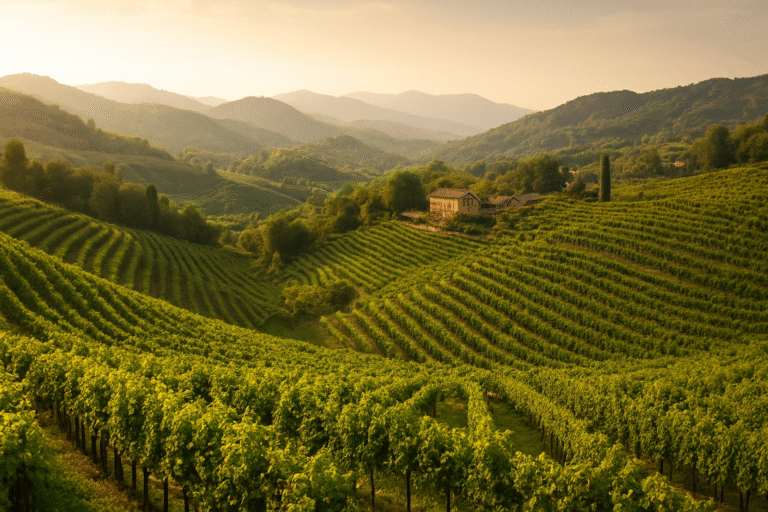
The terroir here is especially varied: according to the Prosecco Consortium’s Academy, the hills contain ancient soils that originated from raised sea beds, glacial deposits, and conglomerates. For example, the deeply draining marl and limestone of Cartizze give wines a refined minerality and persistent floral character. Meanwhile, the eastern and central-eastern hills can have iron-rich clay and sand, producing wines with spice, yellow fruit, and vibrancy.
What Science Says About Soil & Aroma
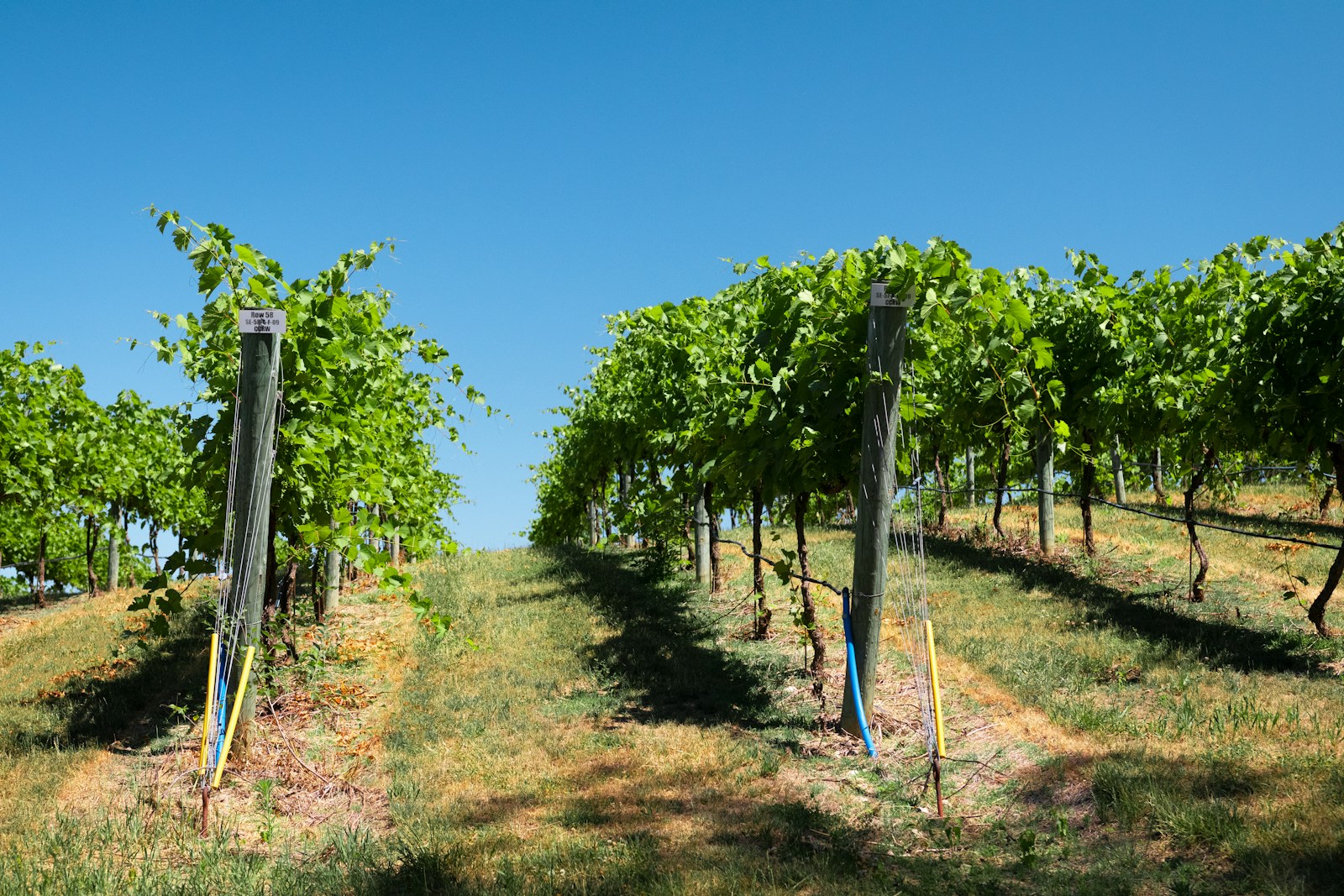
Scientific research backs up the influence of these soils: a study published in Plants shows that soil texture, depth, and chemistry (like limestone content) have a measurable effect on how Glera ripens, its acidity, and aromatic compounds. What’s more, topography drives microclimate variation — higher ridges get more wind and greater diurnal temperature shifts, which helps preserve acidity and develop complexity.
Heroic Viticulture & Its Impact on the Glass
In practice, this means not all Prosecco hills are equal — vine-growing is “heroic” in some Rive zones, where slope and exposure demand hand harvesting, lower yields, and very careful vineyard management. The result? Bottlings that speak directly of their origin: a Cartizze Prosecco might feel airy, mineral, and persistent, while a Rive from a clay-rich slope might feel more floral or spicy.
Becoming a True Terroir-Focused Prosecco Connoisseur
For the Prosecco enthusiast who’s ready to go deeper, exploring terroir means tasting side by side: Rive vs Rive, Cartizze vs other sub-zones, or even vintage-to-vintage to understand how soil and climate influence the wine’s voice. Those conversations — about rock, depth, and vine work — are exactly what define a true Prosecco connoisseur.
Read next: “Winemaking Innovations & the Future of Technique” — discover how modern cellar practices and new ideas are shaping the next generation of Prosecco.