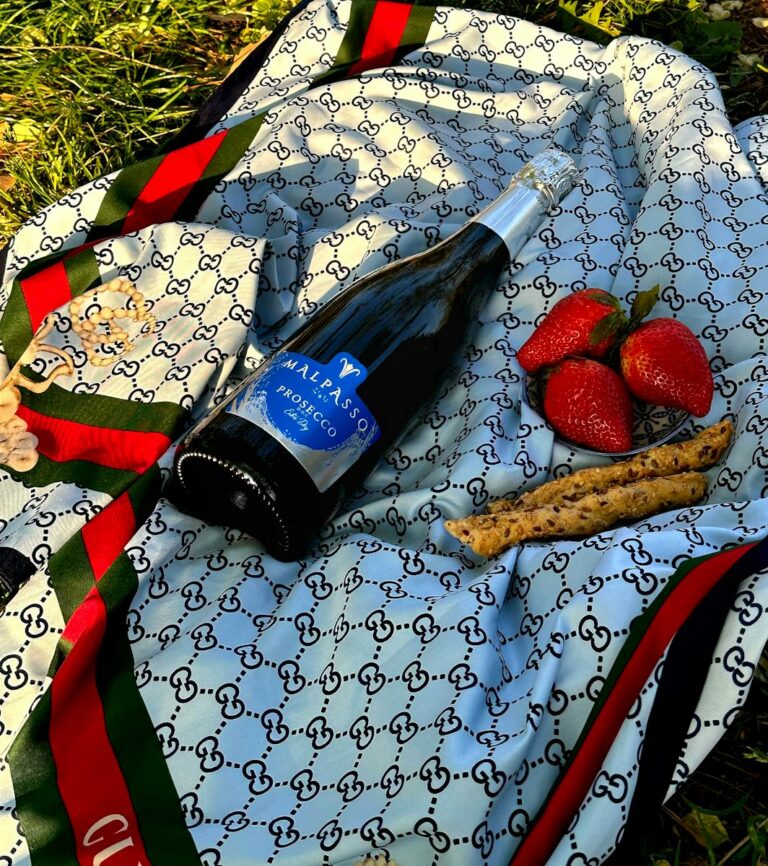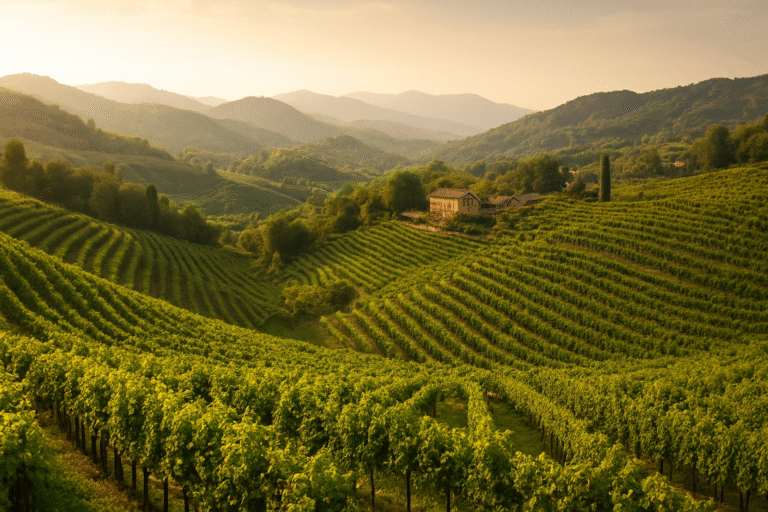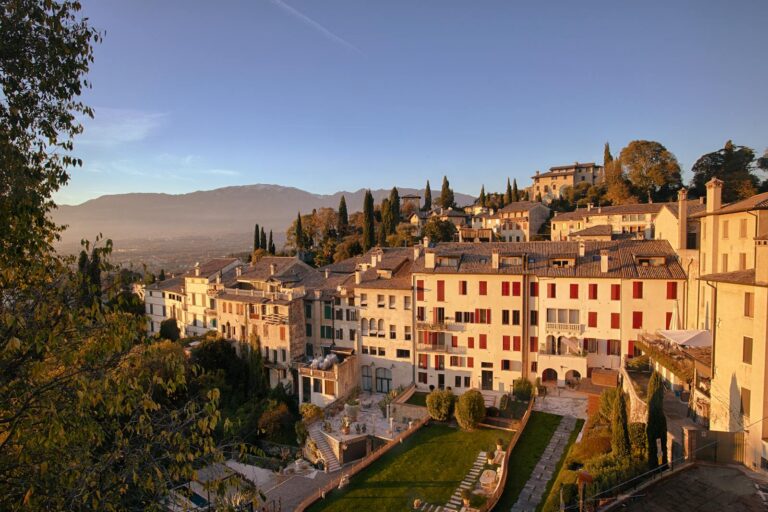
Prosecco’s future is not just about more bottles, but about resilience, responsibility, and reinvention. As the region’s steep hills face increasingly unpredictable weather, the Consorzio Tutela Prosecco DOC and its winemakers are leaning into ambitious projects, new science, and bold agronomic choices — all to protect the glera grape and preserve the sparkle for generations to come.
Facing climate risk head-on
Climate change is no longer a looming threat for Prosecco — it’s already here. The SISOVI project, run by the Prosecco DOC Consortium together with CREA (Centre for Research in Viticulture and Oenology), is developing predictive climate models to map out future risks (temperature rise, rainfall shifts) and advise growers on mitigation strategies. This kind of forward-thinking work is essential: landslides, droughts, and hail have all increased in recent years in the Prosecco hills.
Sustainability in the vineyard
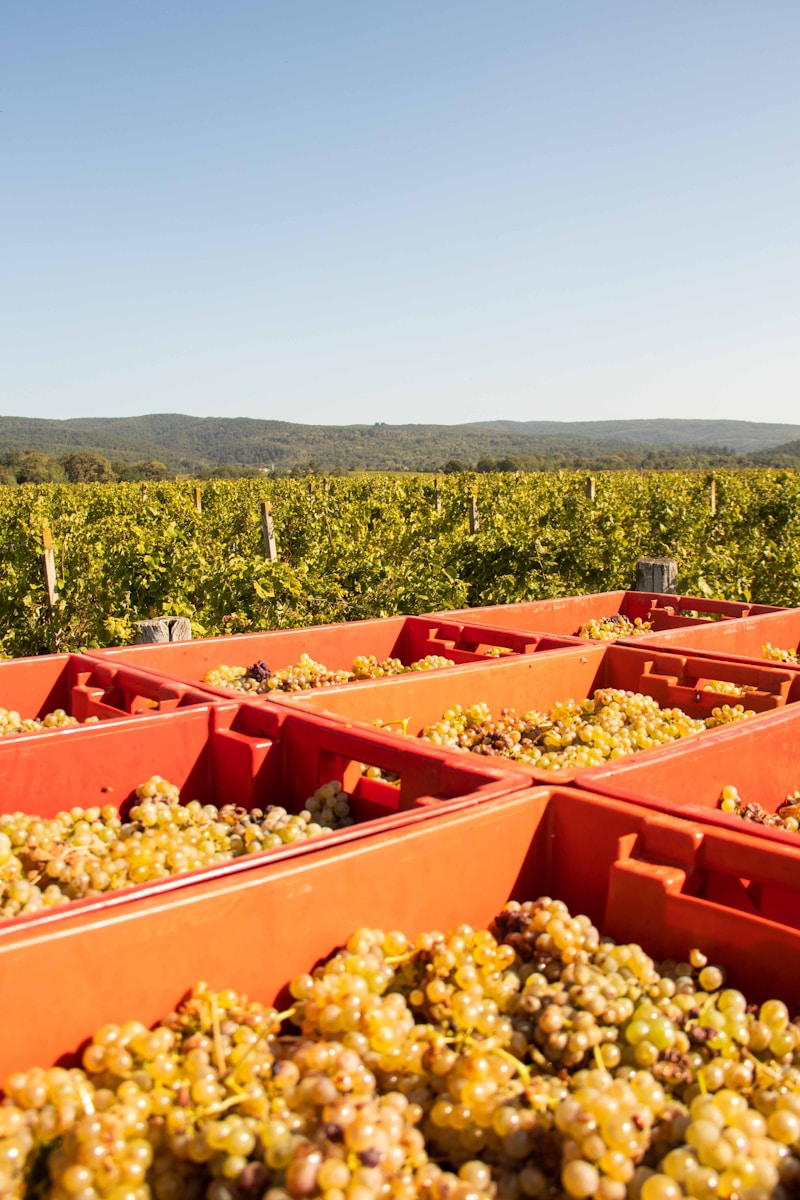
Sustainability isn’t a side project — it’s central to Prosecco DOC’s long-term vision. The Consortium prohibits certain chemical agents (Mancozeb, Folpet, Glyphosate) in its production rules. On top of that, a zoning initiative identifies vineyard areas most vulnerable to climate stress, encouraging practices like hedgerow planting, water-efficient irrigation, and soil conservation.
Another powerful front: the AmpeloPros project. This research effort explores blending Glera with other varieties — including disease-resistant “PIWI” grapes — to maintain freshness and aromatic purity even as climate pressures mount.
Innovation from vineyard to bottle
At the producer level, sustainability isn’t just theory — it’s action. For example, Follador Prosecco has adopted circular-economy practices: using recycled glass, repurposing production waste, and emphasising eco-friendly vineyard management.
Meanwhile, the Consorzio is building a “community of innovation” to share new practices across its network. According to their 2024 review, they plan to introduce digital tools, experimental farming practices, and more efficient production systems.
Emerging producers are experimenting with hybrid techniques: long Charmat (tank) fermentations, lees dosing in tank wines, and limited bottle-fermented Proseccos. There’s also movement in low- and zero-sugar sparkling wines and lighter styles, catering to health-conscious consumers without compromising on flavor and joy.
Culture and identity in the age of change
Innovating doesn’t mean erasing identity. Many DOCG winemakers are doubling down on terroir, producing Rive-designated wines or experimenting with lees contact to retain minerality and place expression even as they adopt more sustainable techniques. These wines help differentiate Prosecco from more commoditized versions and build a bridge to the traditional-method world.
The Prosecco DOC Consortium is also weaving sustainability into its brand story. One of its newest initiatives, called PRO.S.E.C.CO (Sustainability & Control Scheme), links environmental responsibility to its cultural identity — even partnering Prosecco with sporting events to emphasize its modern, active, and eco-conscious image.
Rising demand for Italian bubbles beyond Prosecco
Global wine drinkers looking for alternatives to Prosecco are increasingly turning to Franciacorta, Lambrusco, Trento DOC, and other regional sparklers. Critics and sommeliers note that this diversification strengthens Italy’s profile in the sparkling wine world. As The Guardian recently argued, Italy offers a “vast and varied” spectrum of fizz beyond Prosecco.
Wine tourism in regions like Franciacorta is also growing, echoing Prosecco’s success but in its own way. As more wine lovers explore beyond Prosecco, they discover quieter, artisanal regions, learn new histories, and form deeper connections with Italy’s wine heritage.
Final Thought: Learning about Prosecco is just the beginning. To truly appreciate the world of Italian bubbly, let your curiosity lead you to Franciacorta’s elegance, Lambrusco’s fruity fizz, or Asti’s fragrant sweetness. Together, they tell a richer story — one of tradition, innovation, and Italian joie de vivre in every glass.
Read next: Chapter VII — The Expert’s Corner — where we dive into deep terroir, wine-maker profiles, vintage insight, and what makes a Prosecco connoisseur tick.