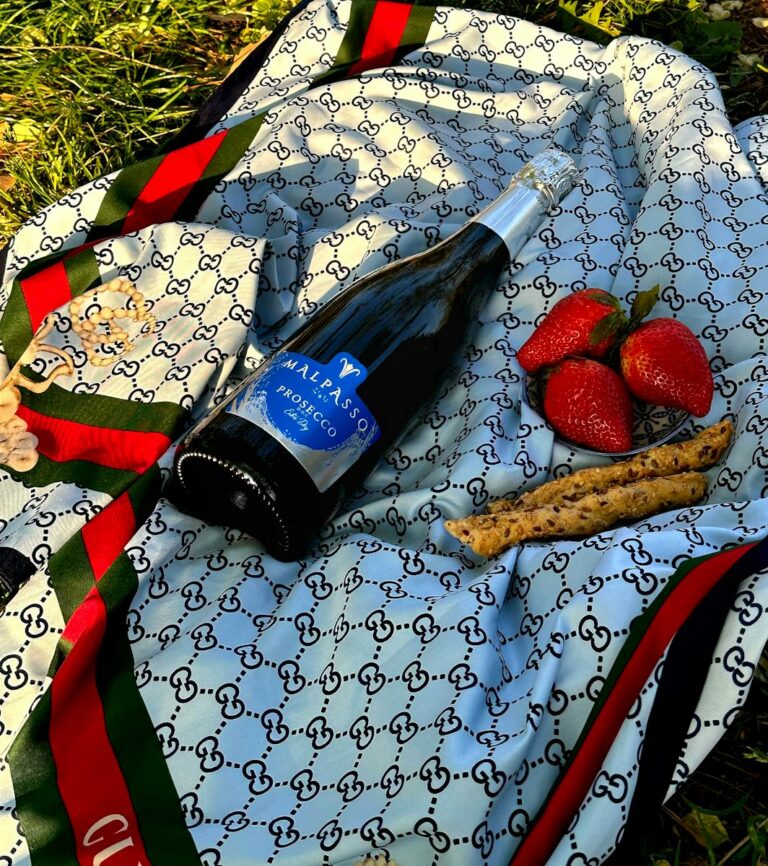
Prosecco doesn’t stand alone in the Italian aperitivo world — it shares center stage with some of its most charismatic companions: vermouths, amari (bitters), and other botanical liqueurs. Think of them as the supporting cast in a charming Italian film: each adds depth, subtle drama, and a touch of sparkle to your glass.
Vermouth and Prosecco — a classic duet
There’s one cocktail that encapsulates this friendship perfectly: the Negroni Sbagliato. Legend has it that in 1972, bartender Mirko Stocchetto at Milan’s Bar Basso accidentally grabbed Prosecco instead of gin while mixing a Negroni — and just like that, a new icon was born. The name sbagliato even means “mistaken.”
The recipe is deceptively simple: equal parts sweet vermouth and Campari, built over ice, topped slowly with chilled Prosecco DOC Brut, then garnished with a twist of orange zest. According to the Consorzio Tutela Prosecco DOC, gently stirring just once preserves the bubbles and releases those aromatic citrus oils from the peel.
Tommaso Cecca, a bartender at Milan’s historic Camparino, describes the Sbagliato as “freshness of a spritz and warm intensity from the Negroni,” capturing Prosecco’s perfect balance of light and bitter.

Bitters and botanicals — amari in the mix
Beyond vermouth, amari bring herbal complexity to Prosecco cocktails. Amari — Italian bitters made from roots, herbs, fruit peel, and spices — offer a deep, slightly bitter counterpoint to the wine’s brightness. Bartenders often experiment with gentian, citrus, or rhubarb-based amari to build modern spritzes or “bitters-plus-bubbles” drinks with a sharper, more introspective edge.
These botanical blends are not just about flavor; they embody tradition. Amaro brands carry old recipes, and mixing them with Prosecco becomes a way to celebrate both the bitter and the bubbly — a toast to Italian craft and conviviality.
Pairing small bites — the savory side
When Prosecco meets vermouth or amari, the food should dance with it. Think crisp crostini with tapenade, marinated olives, or thinly sliced prosciutto. Soft cheeses like burrata or Robiola are perfect, too: the acidity and effervescence of Prosecco cleanse the palate, while the bitters or vermouth echo floral or herbal notes.
This style of serving transforms your aperitivo into a mini-ritual — not just a drink, but a moment of connection, flavor, and ease.
Why this matters for your Prosecco journey
Exploring Prosecco with its botanical “friends” opens up a world of nuance. You get more than fruit and bubbles — you get bitterness, herbs, citrus, and history. It’s a way to elevate your enjoyment, whether you’re sipping at a sunset or crafting your own cocktail experiments at home.
In the end, vermouths and amari don’t overshadow Prosecco — they highlight it, frame it, and make it sing in a richer, more layered voice.
Read next: “The Future of Prosecco and Italian Sparkling Wine” — where tradition meets innovation, and sustainability shapes the next wave of fizz.