Now that you’ve tasted or learned about Franciacorta, Lambrusco, and Asti, you might wonder: Why does Prosecco remain the most celebrated? The answer lies in its balance of identity, accessibility, and spirit.
There’s a deep truth in wine: just because Prosecco is everywhere doesn’t mean it’s the only sparkle that deserves your attention — and precisely because it’s so popular, its differences from its sparkling cousins matter more than ever. Understanding those distinctions not only helps you choose better; it helps you appreciate why Prosecco continues to be such a beloved wine, even while other high-quality sparklers nibble away at its claims.
Method Matters — Charmat vs Metodo Classico
One of the most fundamental differences is how Prosecco makes its bubbles versus other Italian sparklers. Prosecco is overwhelmingly produced using the Charmat (Martinotti) method, where the second fermentation happens in large pressurized tanks, preserving its fresh, fruity character.
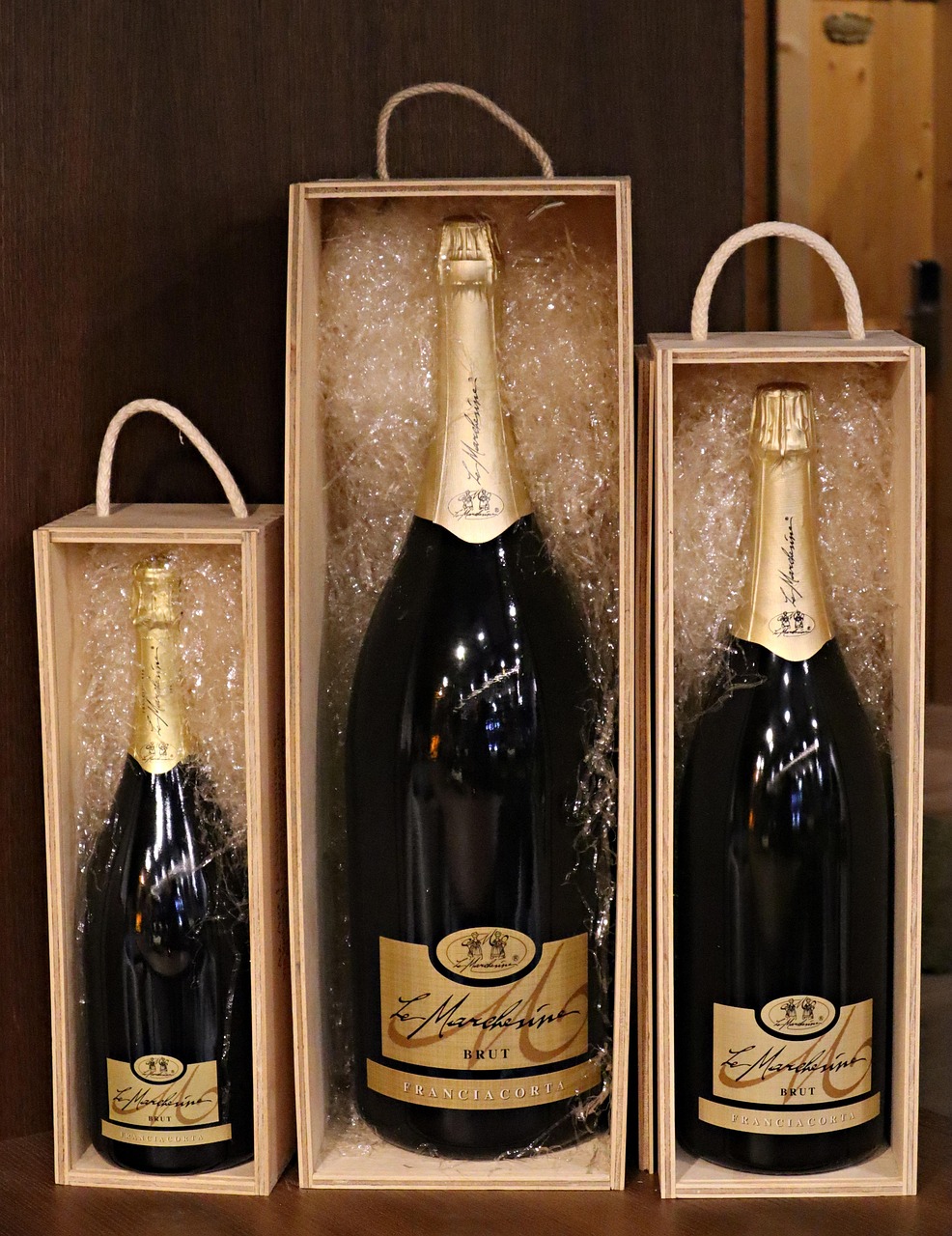
By contrast, premium sparklers like Franciacorta rely on the traditional method (metodo classico), fermenting in the bottle — exactly as Champagne does. This means longer aging, more lees contact, and a distinctly creamier, more autolytic profile.
That production difference matters: tank-made wines like Prosecco tend to emphasize bright orchard fruit and floral notes, while metodo-classico wines show richer complexity — think brioche, toasted nut, and a fine, persistent bead.
Grape Variety & Origins
Prosecco is principally made from Glera, a grape that gives high acidity, floral aromas, and often delicate fruitiness. On the other hand, Franciacorta typically blends Chardonnay, Pinot Noir, and Pinot Blanc — grapes more traditionally associated with Champagne. This contributes not just to a different taste, but also to a very different structural backbone and aging potential.
Purpose & Personality
Prosecco’s strength is its approachability. It’s lively, ready-to-drink, and built for conviviality rather than long cellaring. According to the Prosecco Consortium’s market positioning study, while some consumers pick Prosecco for its quality, many choose it because it’s “perfect for convivial, fun occasions.”
Meanwhile, wines like Franciacorta are often savored on more contemplative occasions — toasted at celebrations, paired with refined food, or aged for complexity. In that way, Prosecco occupies a unique sweet spot: high-volume, culturally pervasive, but still capable of expressing terroir when made in its DOCG zones.
Variety Among Drinkers
Franciacorta and Trento DOC offer structure, lees character, and aging potential that appeal to enthusiasts seeking depth. In contrast, Prosecco delivers immediate charm: floral aromas, crisp fruit, and a frothy mousse that invite sharing and fun. But for many adventurous drinkers, Prosecco is the stepping stone to deeper Italian bubbliness.
Interestingly, a Consorzio survey shows that when Prosecco drinkers look for “something else,” Franciacorta is the most common alternative they consider. This tells you something: even fans of Prosecco often recognize its limitations and appreciate the appeal of more traditional-method sparklers. But they keep coming back to Prosecco for its brightness, its ease, and its convivial spirit.
Identity & Scale
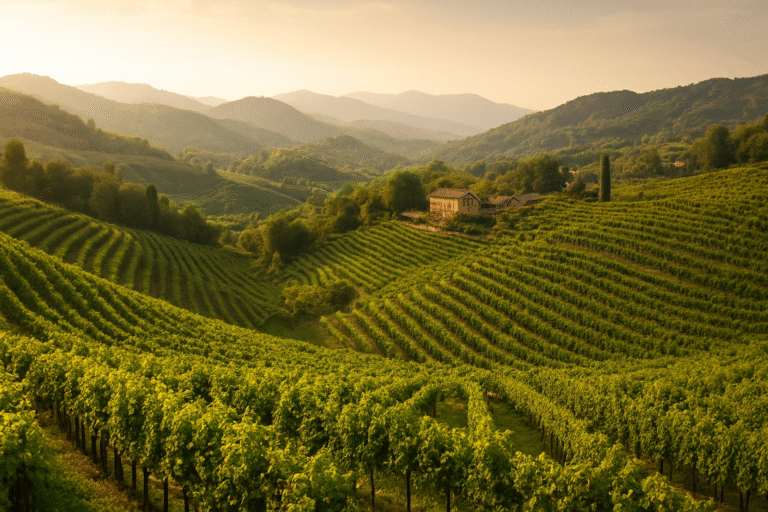
Prosecco also matters culturally and economically. Its method and volume production make it accessible; its identity is rooted in the Venetian hills, the DOC and DOCG structure, and the traditions of Glera grape farming. This blend of accessible identity + efficient production is rare.
Despite its ubiquity, Prosecco has not lost its soul: producers in its finest zones (Rive, DOCG) are still pushing for terroir expression, quality, and sustainability. That’s not a contradiction — it’s proof that Prosecco can be both everyday sparkle and serious wine. And that dual identity is exactly why Prosecco continues to matter, even in a world rich with alternative Italian sparklers.
Read next: “The Aperitivo Pantry: Friends of Prosecco” — meet the beloved Italian flavors, snacks and mixers that elevate a glass of Prosecco into a full sensory experience.