Prosecco may be the most famous Italian sparkling wine — but the world of Italian bubbles is rich, diverse, and full of personality. From refined metodo classico wines to aromatic dessert sparklers, these alternatives offer different expressions of Italy’s winemaking spirit.
Franciacorta — the Champagne rival
If Prosecco is about lightness and freshness, Franciacorta is about elegance, depth, and traditional method craftsmanship. Produced in Lombardy, Franciacorta DOCG wines are made using the metodo classico (second fermentation in the bottle) with grapes like Chardonnay, Pinot Noir, and Pinot Blanc.
Franciacorta wines often show toasted notes, fine perlage, and a richness that comes from extended aging on lees. On Untold Italy, a wine expert describes Franciacorta as “a little heavier than Prosecco … with butter and vanilla, citrus, white flowers, complexity from bottle aging.”
Franciacorta is not about mass-production; it’s about quality. The region has strict regulations, and many producers age their wines for years before release. These wines are ideal for drinkers who love Prosecco but want something with a more structured, nuanced profile.
Asti & Moscato d’Asti — sweetness, aroma, and charm
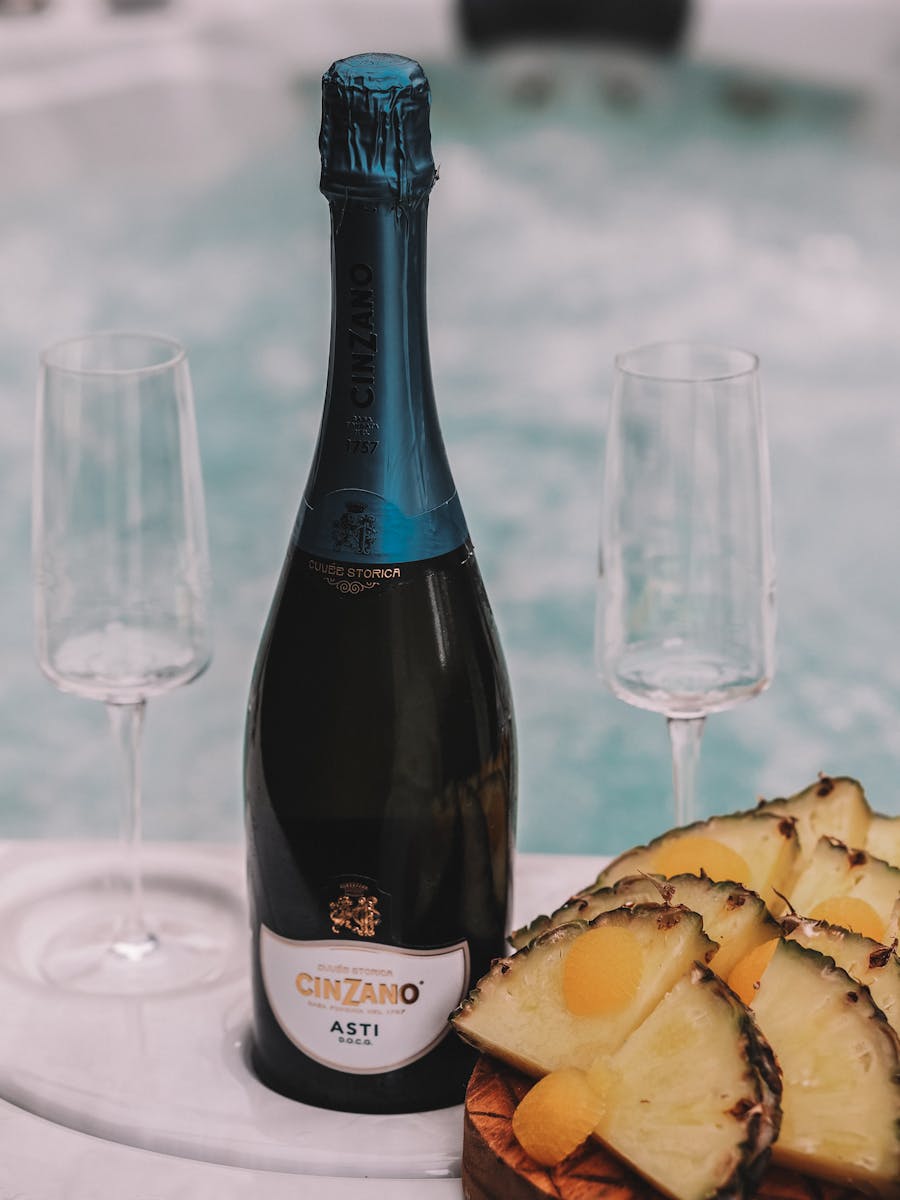
Heading northwest to Piedmont, you’ll find Asti DOCG and Moscato d’Asti DOCG, two sparkling wines made from the muscat (Moscato Bianco) grape. These wines are very different from Prosecco: they tend to be sweet, highly aromatic, and low in alcohol.
Asti is often made using a variation of the tank (Charmat) method, while Moscato d’Asti (also known simply as Asti d’Asti in some contexts) can have a gentler effervescence. Both show aromas of orange blossom, peach, pear, and grape, making them dreamy, dessert-friendly wines.
These wines are perfect when you want something playful and sweet — a contrast to the crisp dryness of many Proseccos.
Lambrusco — red, fizzy, and full of attitude
Perhaps the most surprising of Prosecco’s cousins is Lambrusco, a sparkling red (and sometimes rosé) wine from Emilia-Romagna. Lambrusco uses a variety of grapes — like Lambrusco Salamino, Grasparossa, or Sorbara — and often employs the tank fermentation method much like Prosecco.
Modern Lambrusco has evolved far beyond its reputation as cheap, sweet, fizzy red. Premium versions can be dry or semi-sweet, with flavors of cherry, blackberry, herbs, and a lively acidity. The Wine Society describes sparkling red Lambrusco as exuberant, especially when chilled — a fun and flavorful alternative to white fizz.
Lambrusco is often enjoyed with food — rich cured meats, regional pasta, cheeses — because its fruitiness and gentle tannins play beautifully with savory fare.
Other rising stars — TrentoDOC, Alta Langa & more
Beyond Prosecco, Franciacorta, Asti, and Lambrusco, there are other Italian sparkling wines gaining attention:
- Trento DOC (Northern Italy) produces metodo classico wines using Pinot Noir and Chardonnay, often with delicate mousse and structured elegance.
- Alta Langa (Piedmont) is another DOC producing traditional-method wines, typically made from Pinot Noir and Chardonnay, and praised for its aging potential and refined structure.
These offerings show that Italy’s sparkling wine universe is broad — not limited to one style, grape, or method.
Read next: “Prosecco vs. Other Sparkles — Why It Still Matters” — a deeper, more intimate look at what truly separates Prosecco from Franciacorta, TrentoDoc, Champagne and the rest of the sparkling world… and why its identity remains unmistakable.