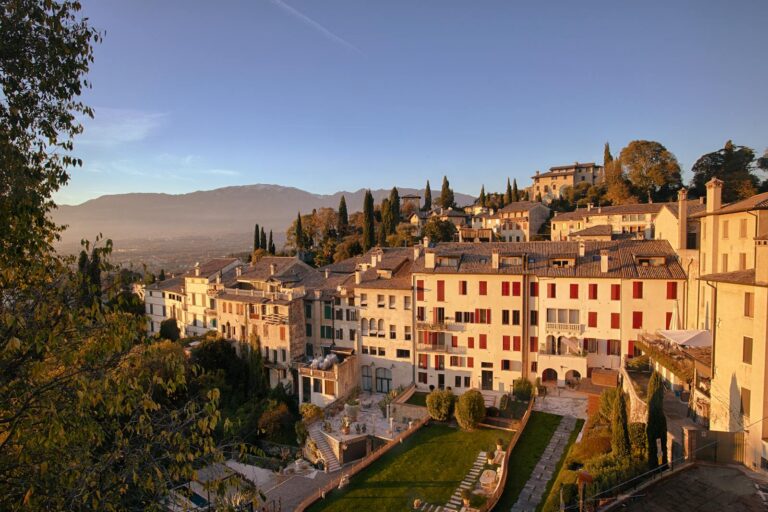
More than grapes and glassware, Prosecco is a piece of Italy’s soul. It carries a kind of optimism — sun-kissed hills, slow hospitality, a lightness of being. In its sparkle, you can taste not only fruit but a cultural philosophy. For many people around the world, Prosecco represents a slice of what they imagine as la dolce vita.
Landscape + people = cultural heritage
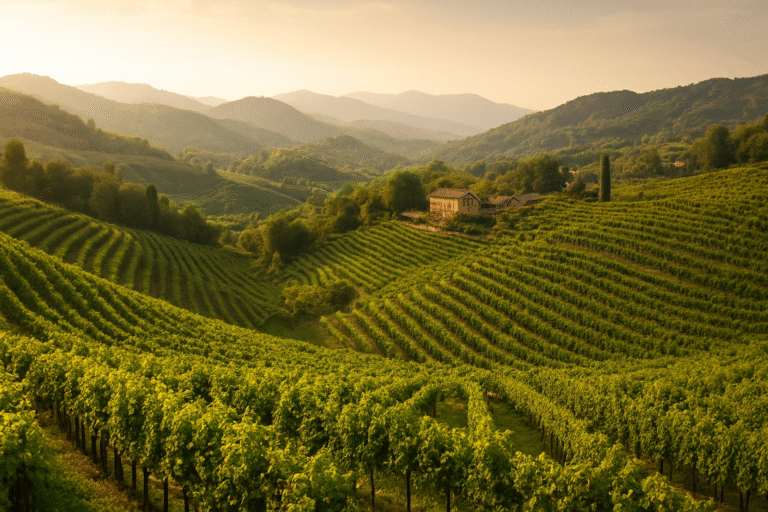
The hills of Conegliano and Valdobbiadene are not just a production zone — they’re a cultural canvas. The Prosecco hills are shaped by generations of human labor. The ciglioni terraces, the old “bellussera” vine-training system, and the narrow, winding roads are physical inheritances of a way of life. UNESCO’s recognition preserved more than vines — it inspired a commitment to sustainable development, local guides, and responsible tourism.
The social glue of Prosecco
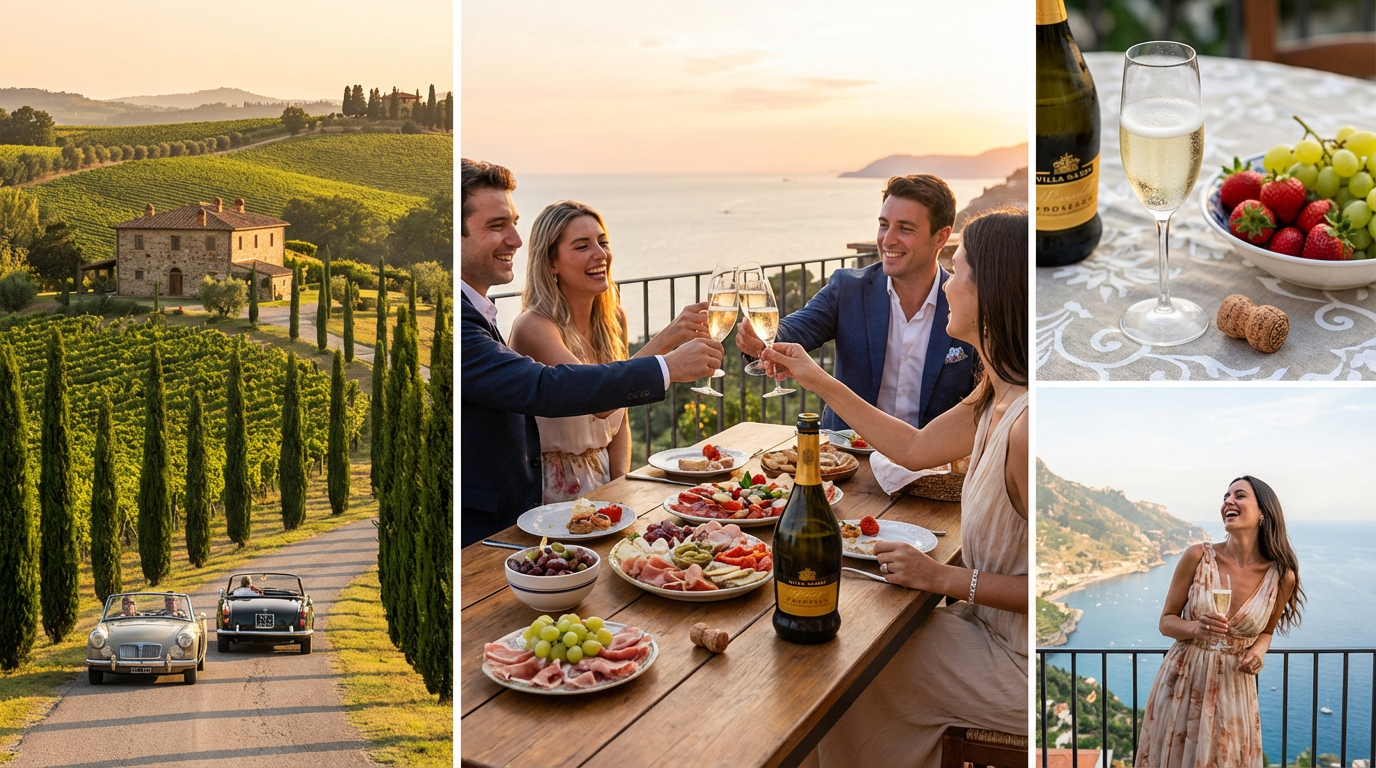
Prosecco plays many roles: it’s the welcome drink, the celebratory toast, the Aperitivo companion, and sometimes the picnic-friend. It’s accessible yet refined, and that duality mirrors modern Italy: rooted in tradition, open to the world.
Wine tourism, especially, has become a way for locals to share not just wine, but stories of community, craft, and continuity. As regional associations emphasize, Prosecco tourism is not just about tasting, but “emotional content” — a slower exploration, respecting the land, meeting local people, and savoring moments.
Challenges & changes — growth with responsibility
With growth comes risk. The boom in Prosecco production has raised tough questions around sustainability, land use, and monoculture. A recent academic study highlights the social and environmental tension: while the GI (geographical indication) creates economic opportunity, it also creates pressure on small family growers and the landscape.
Today, the hills face real environmental challenges. Steep slopes that once seemed timeless are subject to erosion, landslides, and shifting weather patterns. In response, many producers are shifting toward terroir-driven practices, lower yields, and ecological stewardship, combining age-old viticulture techniques with sustainability practices to preserve both their land and their heritage. DOCG winemakers are increasingly turning to specific rive (slope) bottlings, soil study, and traditional farming as a way to differentiate and preserve their identity. This trend doesn’t abandon Prosecco’s accessible roots — instead, it layers meaning, quality, and identity over the familiar sparkle.
A universal appeal
What makes Prosecco truly global is its spirit: an Italian phrase for this might be leggiadria, lightness combined with grace. It doesn’t demand seriousness; it invites sharing. As Prosecco’s fame has grown, it’s become more than a wine — a kind of global passport to moments of lighthearted togetherness.
When you raise a glass of Prosecco Superiore, you’re not just tasting wine. You’re drinking in generations of hillside labor, centuries of shaping the land, and a philosophy that cherishes artful living. To sip Prosecco is to celebrate not only flavor, but a way of being: joyful, rooted, and real.
Takeaway: Prosecco is not just about bubbles — it’s about being, belonging, and celebrating. Its hills and its people shaped a wine that, in turn, shapes the way we experience life.
Read next: On to Chapter VI — “Beyond Prosecco”, where we explore other Italian sparklers, comparative wines, and how Prosecco fits into the broader wine world.