There is an easy story people tell about Prosecco: a friendly grape, a fast method, a cheerful wine. That’s true — up to a point. Underneath the convivial surface lies the long, human arc of a grape called Glera, the vineyards that tend it, and the people who coax its best characters from the hills and plains of northeast Italy.
The grape: Glera’s story
Glera is the backbone of Prosecco. For a long time, the grape itself and the wine shared a name — “Prosecco.” But in 2009, to protect the geographic name and the denomination, Italy officially reclaimed the name for the place and renamed the grape Glera. This legal distinction allowed “Prosecco” to be protected as a geographic indication and ensured that Glera remains the primary variety inside the Prosecco styles produced in Veneto and Friuli regions.
Glera is a high-yielding, late-ripening grape that expresses bright stone- and pip-fruit aromas and delicate floral notes. Under different conditions it can show pear, white peach, citrus blossom, and sometimes subtle almond or herbaceous notes. Its natural acidity makes it well suited to sparkling styles, where freshness and aromatic clarity are prized.
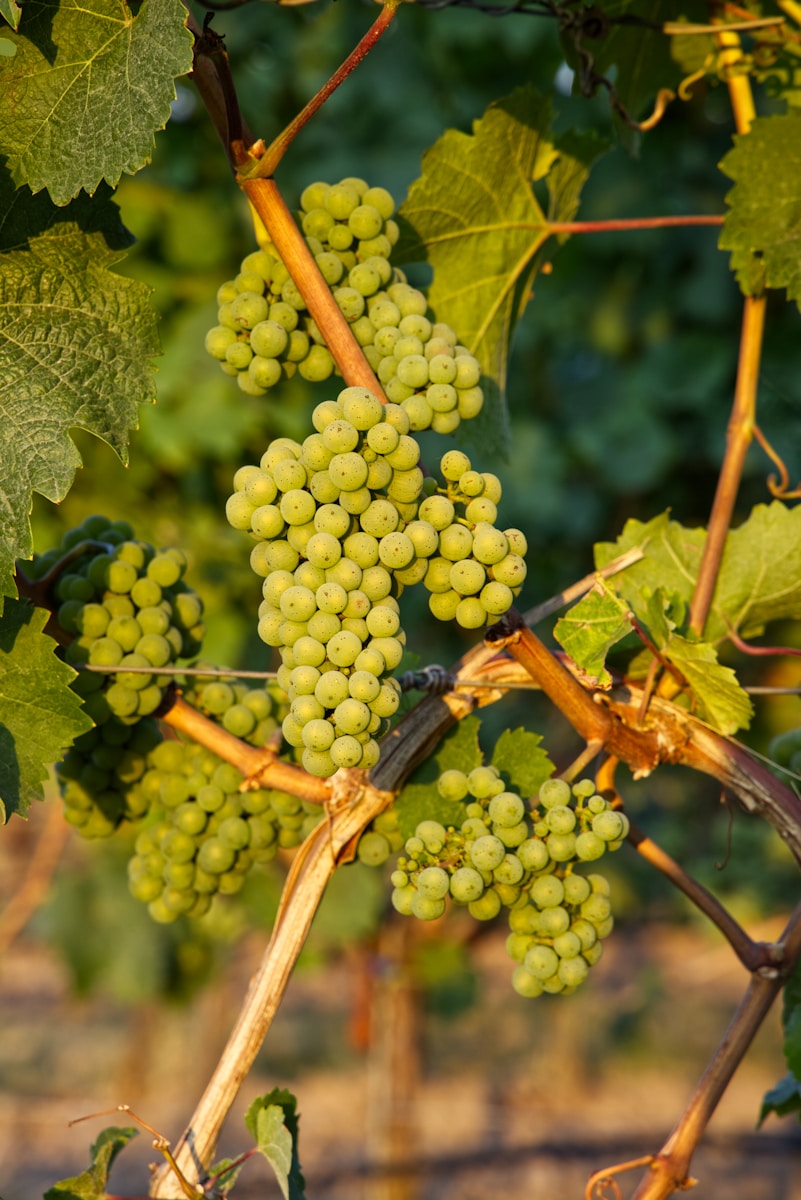
Cultivation: slopes, hands, and the rhythm of the seasons
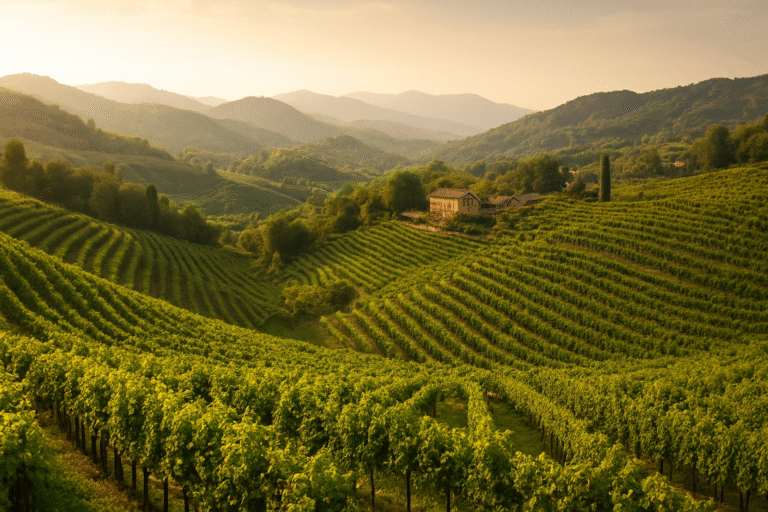
How Glera behaves depends a lot on where it’s grown. On valley floors and gentle hills of the Prosecco DOC, mechanization is common and yields can be higher. On the steep, terraced slopes of Conegliano–Valdobbiadene DOCG, however, machines rarely fit — vines are tended by hand, and harvesters pick bunches off precarious inclines. That manual labor affects cost, yield, and ultimately concentration in the grape. UNESCO’s recognition of the Prosecco hills underscores this human-land relationship: the landscape itself bears the imprint of centuries of vine-crafting.
For growers, timing is everything. Pick too early and the wine will be high-acid and green; wait too long and you lose the sparkle that makes Prosecco charming. Many producers aim for a balance — enough ripeness for fruit aromatics, but enough freshness for lively acidity. Mechanical harvesters, common in DOC zones, bring efficiency; hand-harvest, more common in DOCG, brings selectivity and lower yields—which often translates to more concentrated, terroir-expressive wines.
People and practices: tradition meets innovation
Prosecco producers range from large cooperative operations that manage thousands of hectares to tiny family estates farming steep parcels. In recent years, a visible split has appeared in the region’s character: producers in the DOCG have invested in methods to express terroir (single-ridge Rive bottlings, lower yields, organic approaches), while DOC production supplies broad market demand with efficiency and consistency. Both sides matter — the former lifts the region’s prestige; the latter puts affordable bubbles in people’s hands worldwide.
From vineyard choice to the glass
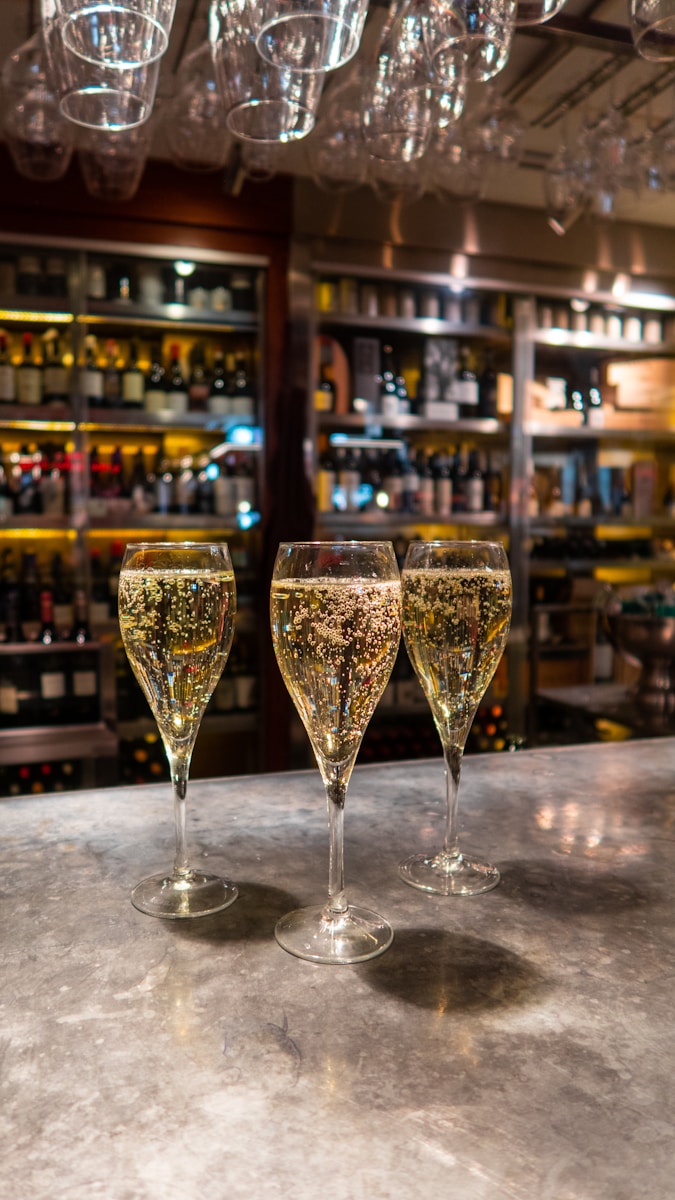
A glass of Prosecco carries decisions: where the vine grew, how the cluster was managed, the moment the pickers harvested, and how the cellar handled fermentation. Small choices — cover cropping, leaf removal, harvest date — can nudge Glera toward floral or mineral expression. Once in the winery, the base wine’s texture is shaped by fermentation choices, lees contact, and whether the producer will aim for an elegant DOCG expression or a fruity, ready-to-drink DOC bottling. The chain of care from vine to tank is where the magic begins.
Vineyard terms to know:
• Rendement — yield per hectare, which affects concentration.
• Sesto d’impianto — vine spacing (impacts canopy and fruit exposure).
• Sur lie — aging on lees (used in some styles and Col Fondo).
Read next: “The Charmat (Martinotti) Method — how tank fermentation shaped the Prosecco style.”