In Prosecco’s hill country, not all slopes are equal. Some places — specific valleys, ridges, and hillsides — have gained legendary status among producers and connoisseurs alike. These are the Rive and Cartizze of Prosecco: terroir-defined zones that carry extra weight and meaning.
What “Rive” means — and why it matters
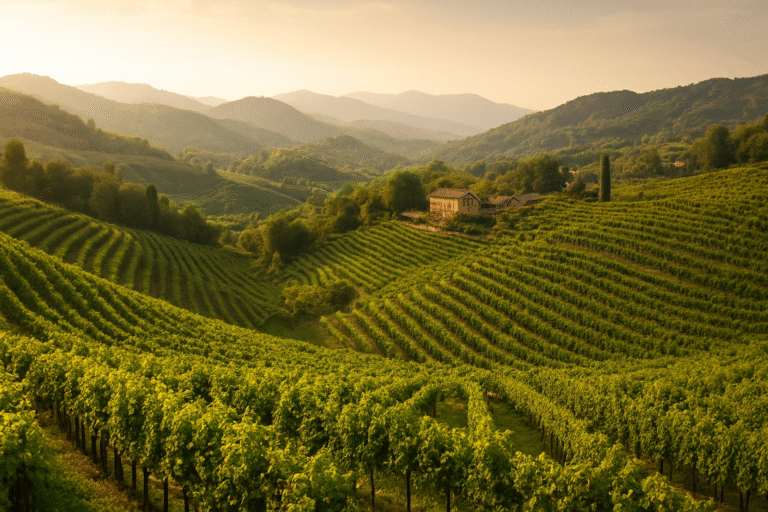
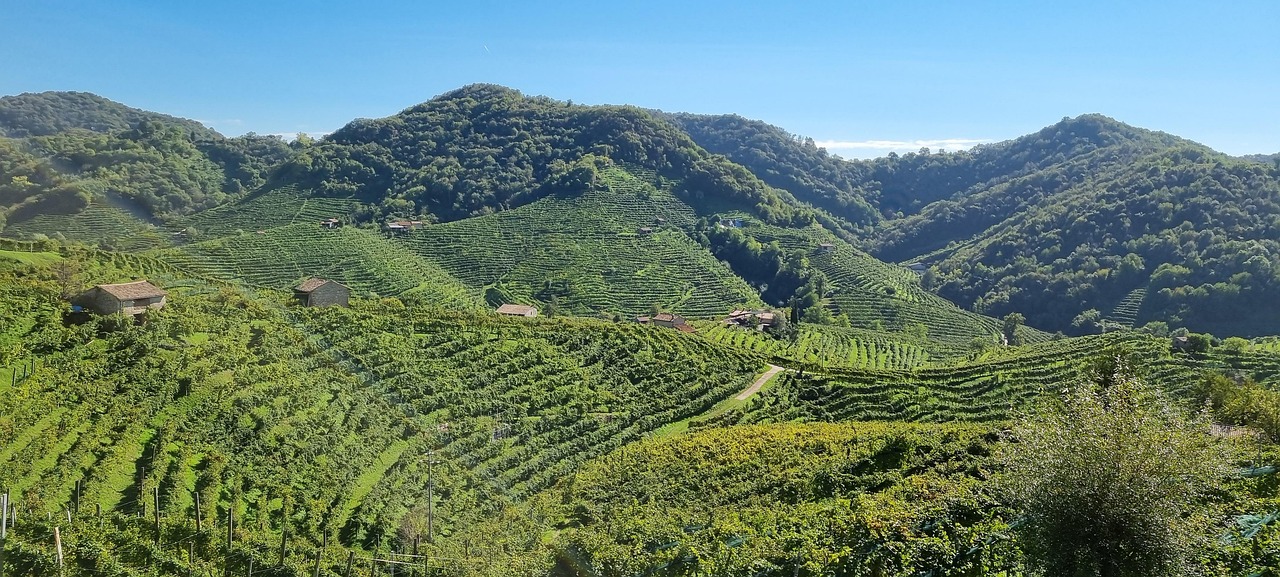
“Rive” is a term that literally means “banks” or “slopes,” but in Prosecco it’s something more: a designation for single-slope, often hand-harvested parcels. DOCG producers are increasingly using rive identifications to showcase the terroir richness of specific sites — clay, marl, elevation, and exposure all vary, and that variation dramatically affects the wine.
These rive wines are not just stylistic diversions — they represent a terroir-first philosophy. Rather than blending all grapes from across the hills, growers bottle the wine from individual slopes, telling a story in each label.
Cartizze — the crown jewel
Then there’s Cartizze, often called the “Grand Cru” of Prosecco. Cartizze is a tiny hill (less than 100 hectares), nestled in Valdobbiadene. Its vineyards are steep, sun-drenched, and incredibly well-drained — producing some of the most refined, elegant, and sought-after Prosecco in the world.
Historically, growers have prized Cartizze for its grapes’ ability to combine richness, floral notes, and a delicate salinity. According to producers like Bisol and others, wines from Cartizze often deliver a lush texture, an aromatic bouquet, and a lingering finish that sets them apart.
Working the slopes — the cost of excellence
Producing rive or Cartizze Prosecco is risky and labor-intensive. Vines on these slopes require manual trellising, hand-harvesting, and often face erosion or drainage challenges. But for many growers, the payoff is worth it: terroir-driven wine, a story to tell, and a higher price point that reflects effort and uniqueness.
What you taste in a Rive or Cartizze glass
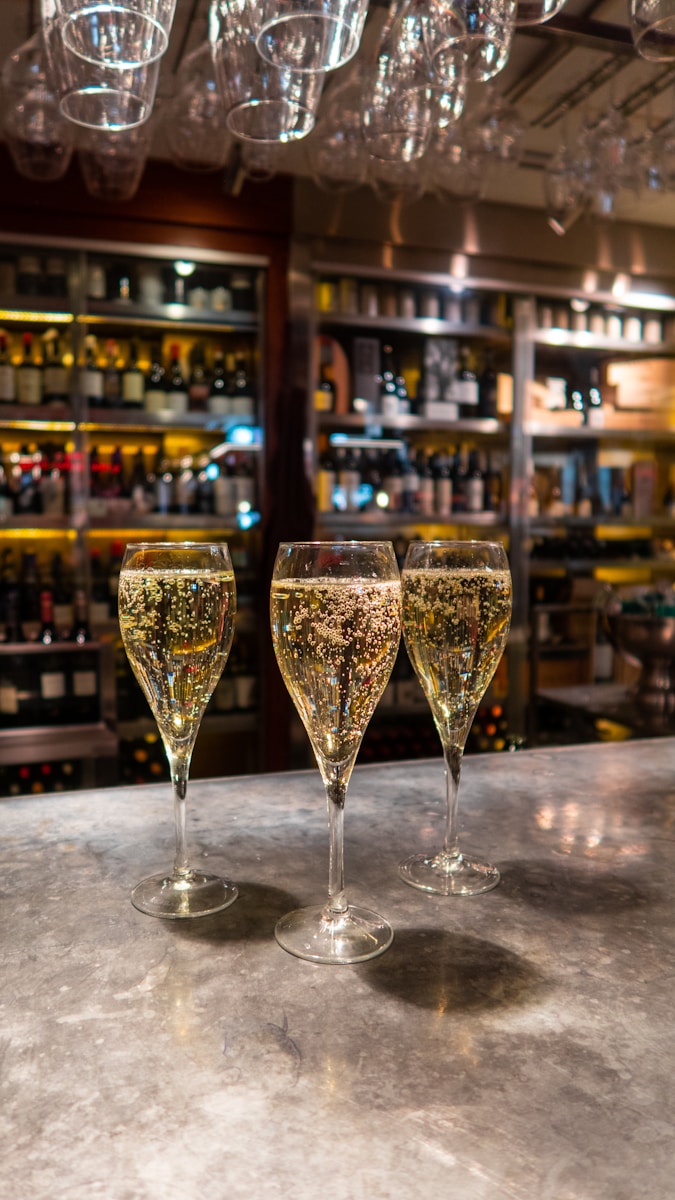
Expect more structure, more minerality, and a refined texture. Aromas often lean into stone fruit, citrus blossom, herbs, and minerals. There’s a sense of place in each sip — the exact slope, exposure, and soil influence the wine in subtle but meaningful ways. These wines invite tasting, reflection, and conversation.
Rive, terroir, and Prosecco’s future
The rise of rive and Cartizze wines signals something deeper: a movement to elevate Prosecco beyond its global commercial success. As sommeliers, producers, and curious drinkers pay more attention, terroir becomes the language Prosecco uses to talk about identity, place, and quality. It’s not just bubbly — it’s story in a bottle.
Read next: Onward to Chapter III — “The Making of Magic”, where we dive into how the winemaking (and second fermentation) turns Glera into sparkle.