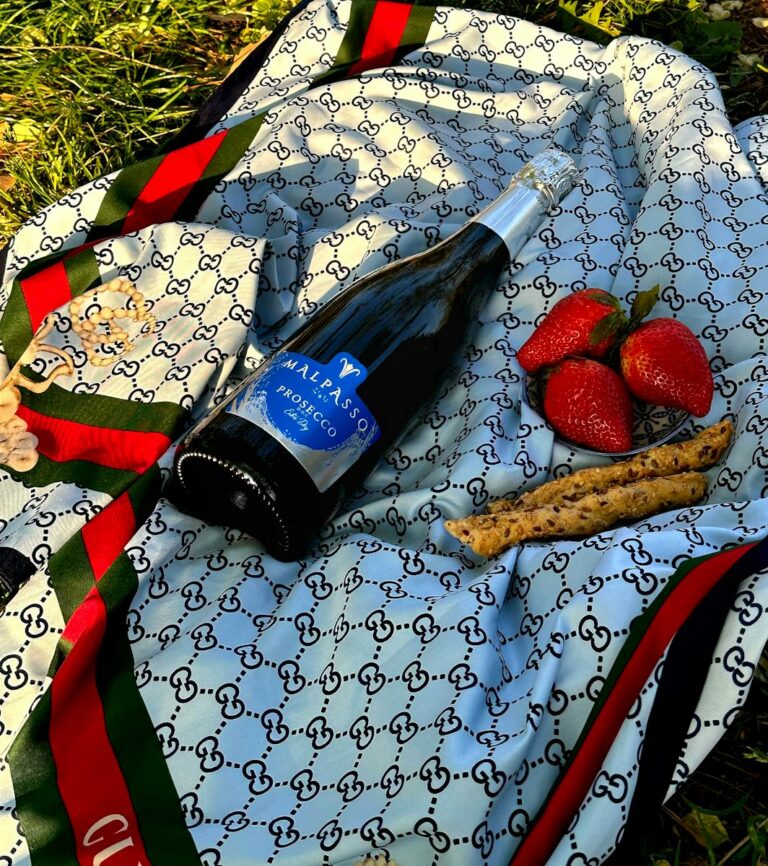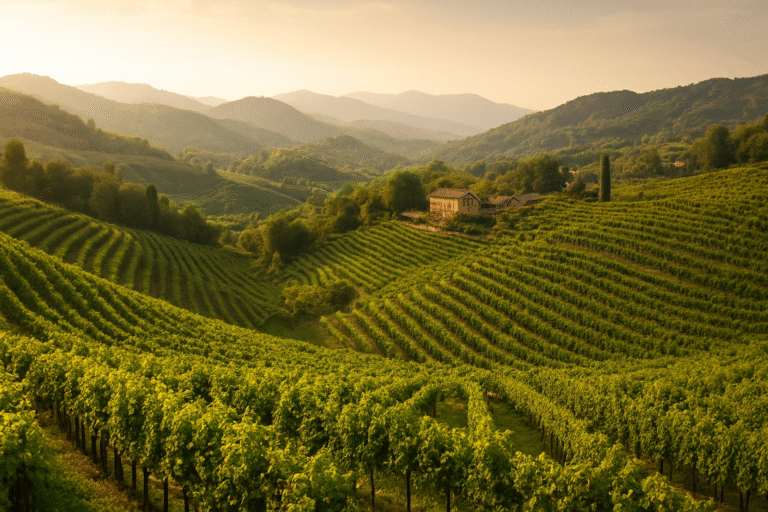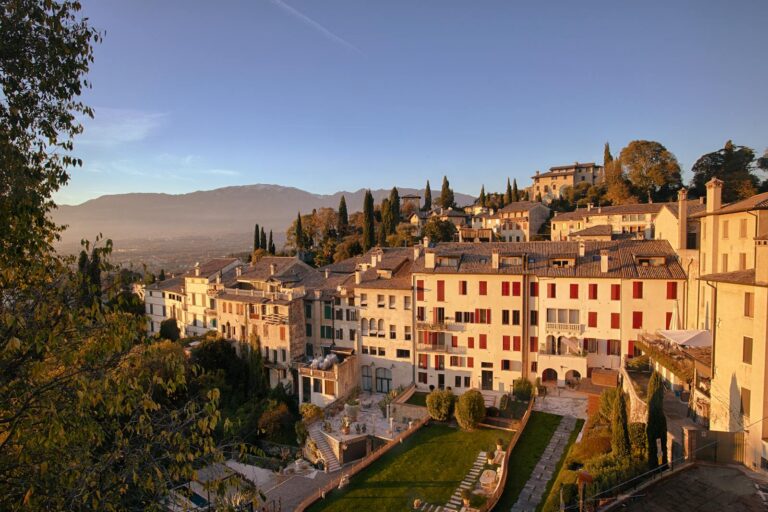
Many people think Prosecco is fleeting — a wine to enjoy young, before its charm fades. While that’s often true, there’s a surprising side to Prosecco aging and vintage expression, especially in DOCG and high-end bottlings.
How Prosecco Evolves in Bottle
Because most Prosecco is made in tank, the wines are meant for early drinking — but some Rive, Cartizze, or long-aged base wines can develop interesting secondary traits. According to expert tasting panels, aged Prosecco may reveal toasted bread, gently honeyed notes, and soft, mature fruit while retaining refreshing acidity.
What Makes a Prosecco Ageable?
The question for collectors is: which Proseccos to age, and how? The answer depends on vintage, producer, and style. For example, a Cartizze from a good vintage on a clay-sand soil may benefit from 2–4 years in the cellar. Winemakers in the DOCG often reduce yields and hand-pick to make wines suitable for limited aging, precisely because they want to preserve structural potential for those years.
Scientific research into Glera also supports this: a 2024 paper published in Plants shows how vine physiology (affected by soil) influences grape composition — including acidity and phenolic content — factors that impact aging potential.
How to Start a Simple Prosecco Collection
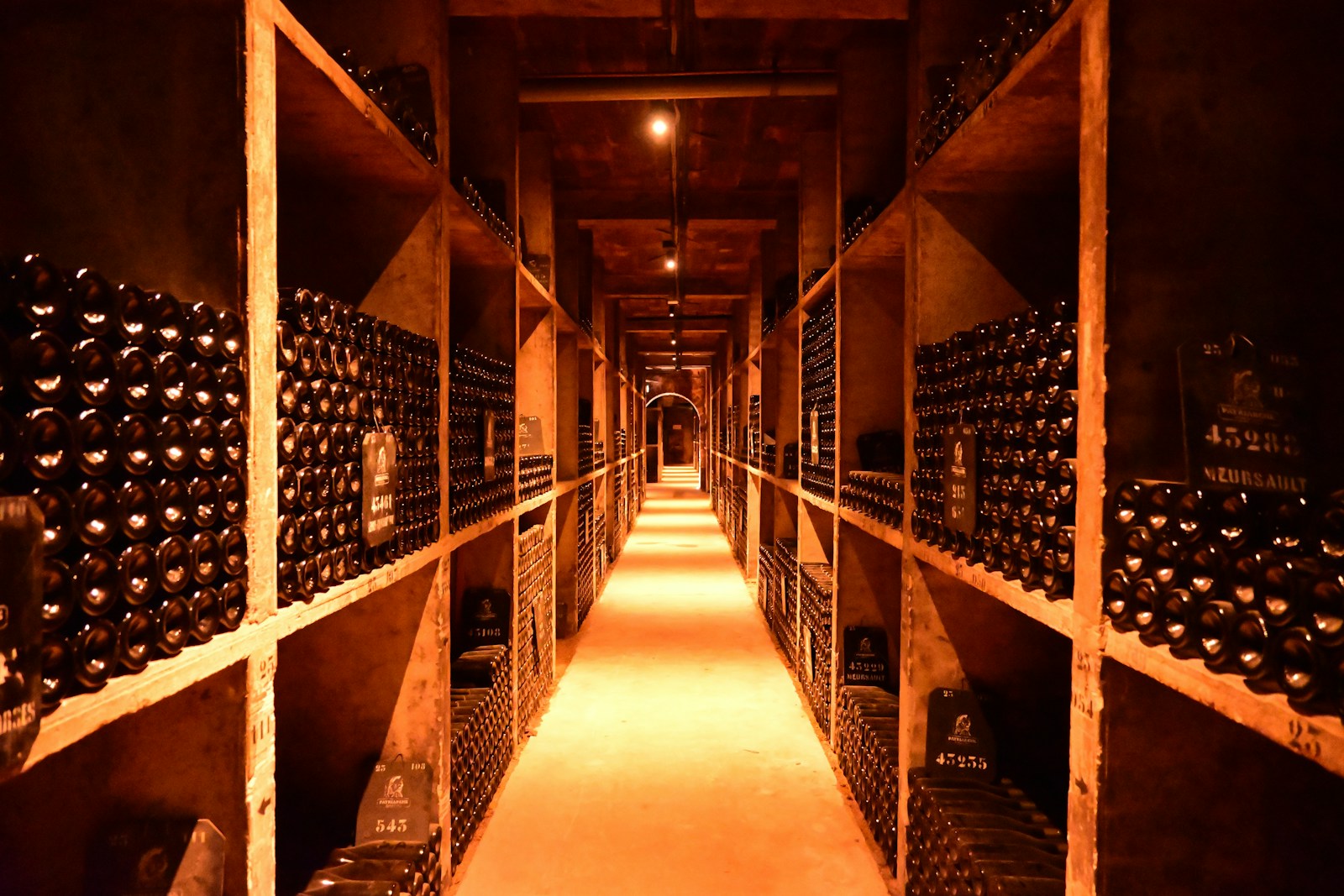
Collecting Prosecco doesn’t require a grand cellar. A cool, stable-temperature space (12–14°C) and horizontal storage is enough for small producers’ vintage wines. But enthusiasm is growing: sommeliers and Prosecco lovers are starting to keep verticals (three or more vintages) from Rive or Cartizze, tasting how each year expresses soil, slope, and weather.
If you’re new to collecting bubbles, start modestly — two or three bottles from a high-quality producer and vintage — and track their evolution over time. Tasting your own progression teaches you more than any chart.
Read next: